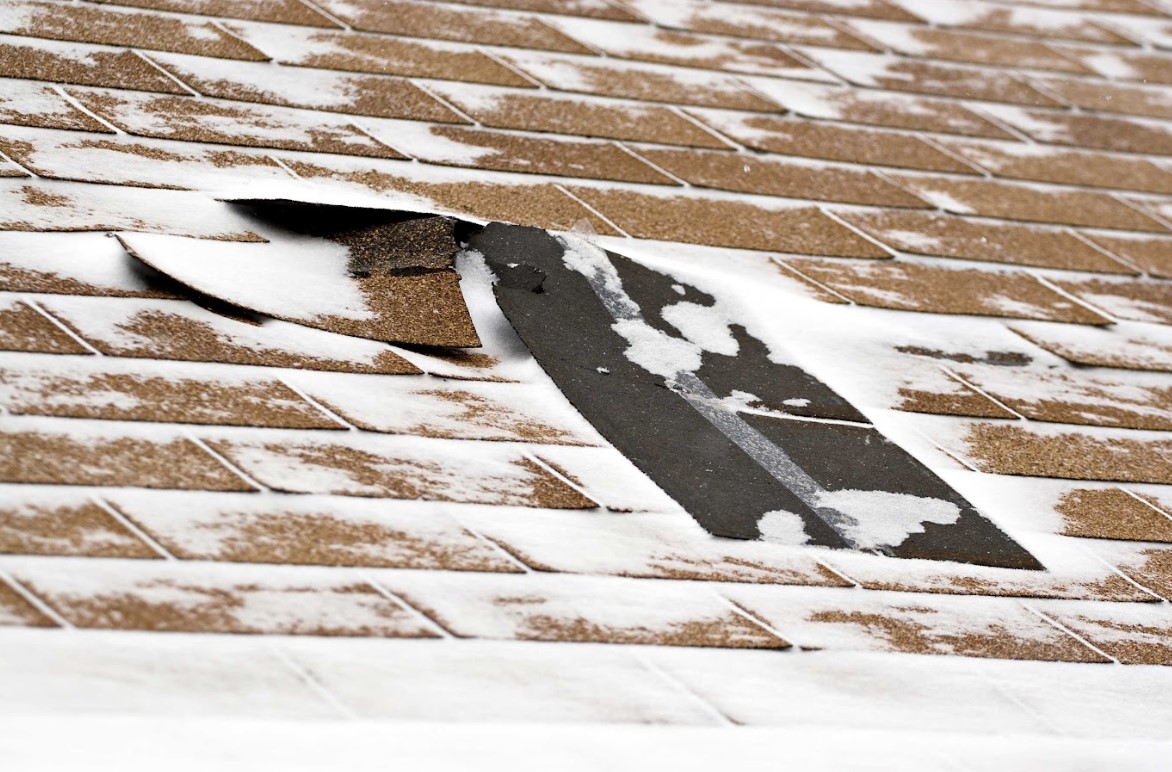
In Montana, winter doesn’t follow the rules. One day it’s snowing, the next it’s 45 and sunny. For most of us, it’s just part of living here. But for your roof? That kind of temperature swing causes wear that adds up fast.
At Kirkness Roofing, we’ve seen how freeze-thaw cycles quietly break down roofing systems. Shingles crack. Flashing separates. Water finds its way in. And by the time spring arrives, what started as a small cold-weather issue can turn into a major repair.
Most homeowners in Park City don’t think about roof damage until there’s a leak. But by then, insulation may already be wet, attic woodwork compromised, or ice dams causing long-term problems.
We want to change that. This guide isn’t about selling you a roof you don’t need. It’s about helping you understand what’s happening up there — and what you can do to stay ahead of it.
In this article:
- What freeze-thaw roof damage looks like in Park City
- How to recognize early warning signs
- Repair and replacement costs you can actually plan for
- When to act and when to wait
- How Kirkness Roofing helps you protect your home without overspending
If you’re wondering whether your roof is holding up this winter, Kirkness Roofing can help. We’ve been serving Montana homes and businesses since 1978, and we’ll give you a straightforward assessment — no pressure.
What Freeze-Thaw Cycles Do to a Roof
And Why It’s Often Missed Until It’s Too Late
A freeze-thaw cycle happens when snow or ice melts during the day and refreezes at night. Water seeps into small cracks or weak points in your roofing system — under shingles, around flashing, in nail holes — and then expands when it freezes. That expansion puts pressure on your roof from the inside out.
Over time, it causes materials to shift, crack, or separate. What starts as a barely noticeable gap in December can become a leak by March.
Why Park City Homes Are Especially at Risk
Park City sits in a weather zone that sees significant temperature swings, snow accumulation, and wind exposure. That combination increases the frequency and impact of freeze-thaw damage. In particular:
- Older homes may lack modern ice/water barriers
- Architectural shingles (common here) perform well but can still lift under cold stress
- Wind-driven snow causes uneven melting, which increases ice dam risk
If you’ve had more than one winter since your last roofing estimate, it’s worth a second look — especially if your roof is over 10 years old or you’ve had storm activity recently.
What You Should Know Before Repairing Cold Weather Roof Damage
Fixing freeze-thaw damage isn’t complicated, but it’s not one-size-fits-all either. Here’s what to consider before deciding what to do next.
Know Your Roof Type
Each roofing system reacts differently to cold weather.
- Asphalt shingles are affordable and widely used, but freeze-thaw cycles can cause cracking and seal failure around fasteners.
- Metal roofs shed snow well, but seams or exposed fasteners can shift with expansion and contraction.
- Flat roofs require extra attention — standing meltwater can freeze and stress the membrane, leading to leaks around HVAC units, vents, or drains.
Know What’s Covered
At Kirkness Roofing, we offer lifetime product warranties through GAF, Malarkey, and Owens Corning. We back that up with:
- 10-year workmanship warranties for asphalt shingle roofs
- 20-year workmanship warranties for flat and membrane systems
Even if we didn’t install your roof, we can tell you what’s covered and what’s not.
Know the Budget Range
Here’s what most Park City homeowners can expect:
- Minor repairs (vent boots, flashing, small shingle patches): $500–$1,500
- Moderate repairs (leaks, chimney flashing, partial replacement): $1,500–$3,500
- Full replacements: Starting around $8,000, depending on square footage and material
We also offer financing up to $100,000, with:
- No home equity required
- No prepayment penalties
- Soft credit check (no impact on score)
- Approvals in 1–3 business days
This helps you stay on top of maintenance even when the timing isn’t perfect.
How to Spot and Prevent Freeze-Thaw Roof Damage
A 5-Step Approach for Park City Homeowners
You don’t have to climb on your roof to keep tabs on its condition. Here’s a practical checklist to help you stay proactive.
1. Look for signs inside the home
Water stains on ceilings or walls, musty attic smells, and unexplained drafts near exterior walls can signal trouble. Check during or after a warm spell when melting is most active.
2. Watch your gutters
If your gutters are backed up with ice or debris, meltwater won’t drain properly. That water may get forced under shingles or freeze into an ice dam.
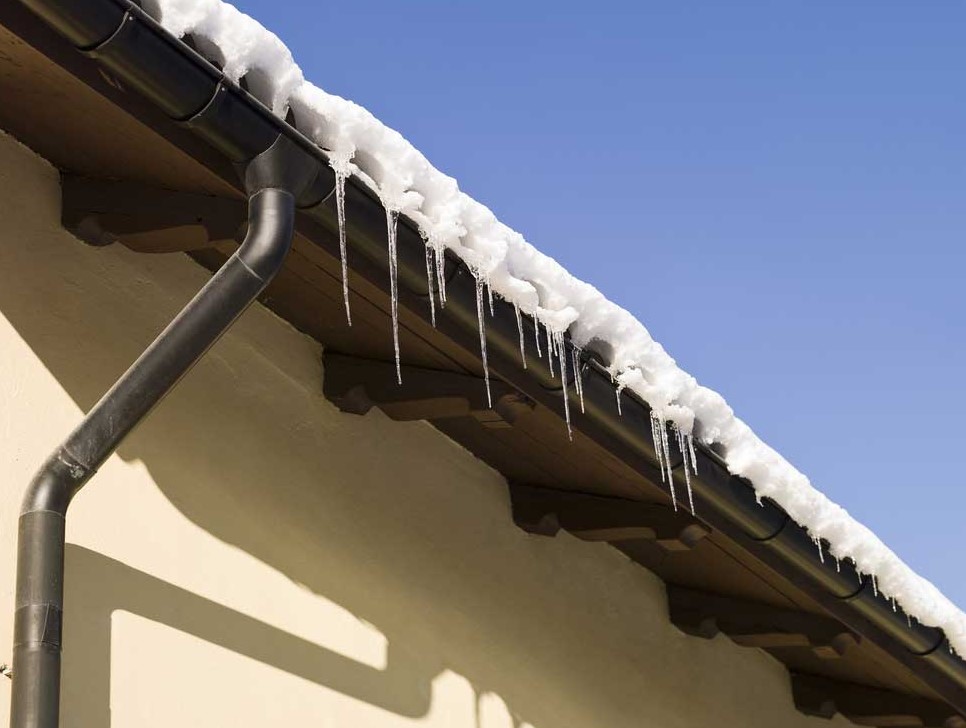
3. Scan for ice dams
These thick ice ridges near the roofline trap water behind them. If you see icicles forming regularly, that’s a red flag.
4. Book a professional estimate
Even if everything looks fine, a roofing professional can check for damage under shingles or inside the attic. We offer free estimates, and we’ll tell you exactly what we find and what (if anything) you should do next.
5. Don’t ignore small issues
Freeze-thaw damage tends to grow slowly and quietly. Addressing it early almost always saves money. Delaying often leads to interior damage, mold, or energy loss.
Choosing Roofing Materials That Withstand Montana Winters
And What to Know Before Upgrading or Replacing
Not all roofing systems are built for the same weather. Here’s how the most common materials in Park City hold up to freeze-thaw stress:
| Material | Performs Well In | Watch For |
| Asphalt Shingles | Cold, dry climates with moderate snow | Cracking, seal failure around fasteners |
| Metal Roofing | High snow zones, wind-prone areas | Expansion/contraction at seams or fasteners |
| Flat Roofing (TPO, EPDM, PVC) | Commercial and low-slope roofs | Ponding meltwater that freezes overnight |
At Kirkness Roofing, we’ll walk you through options based on your budget, your roof’s structure, and how long you plan to stay in the home. If your current system is underperforming, we’ll explain whether it makes sense to repair or replace — and give you the numbers to compare.
Freeze-Thaw Roofing Questions from Park City Homeowners
If you’re noticing new signs of wear on your roof—or just wondering what all this back-and-forth weather means for your home—you’re not alone. Here are the most common questions we hear about freeze-thaw roof damage and cold weather roof problems in Park City, MT.
How does freeze-thaw damage a roof?
Freeze-thaw cycles damage a roof by forcing water into small cracks and gaps, then expanding when temperatures drop below freezing. Over time, this expansion puts stress on shingles, flashing, and sealants, often leading to leaks or structural wear.
What are early signs of roof damage from cold weather?
Early signs of roof damage from cold weather include water stains on ceilings, musty smells in the attic, or icicles forming along the edge of the roof. These symptoms usually mean water is getting where it shouldn’t—often due to weakened shingles or flashing.
Can freeze-thaw roof damage be fixed without replacing the entire roof?
Yes, freeze-thaw roof damage can often be fixed without a full replacement. Localized damage—like lifted shingles or cracked flashing—can typically be repaired, especially if caught early. We’ll recommend the most cost-effective option after a full assessment.
Is freeze-thaw damage covered by homeowners insurance?
Freeze-thaw damage may be covered by homeowners insurance if it results in a sudden issue, like a leak caused by ice damming. Every policy is different, but we can help you document damage and navigate the claims process.
What does it cost to repair roof damage from freeze-thaw cycles?
Roof damage from freeze-thaw cycles usually costs between $500 and $3,500 in the Park City area. The final cost depends on how extensive the damage is and what materials are involved. We provide a detailed, honest estimate before any work starts.
Can I finance roof repairs or upgrades during winter?
Yes, you can finance roof repairs or upgrades during the winter with our flexible payment options. We offer up to $100,000 in financing with no equity required, soft credit checks, and funding in 1 to 3 business days.
Stay Ahead of Roof Damage — Without the Guesswork
Freeze-thaw cycles are a fact of life in Montana. They’re not dramatic like hailstorms, but they wear roofs down just the same. The good news? Most of the damage is preventable with early detection and the right materials.
At Kirkness Roofing, we’ve spent over 40 years helping Montana homeowners make practical, well-informed decisions about their roofs. We don’t upsell, and we don’t cut corners. We assess, explain, and stand behind our work — every time.
If you’re unsure whether your roof is showing early signs of damage, let us take a look.
Schedule your free estimate today. No pressure. Just clear answers from a local contractor you can count on.