When we talk about home maintenance in Montana, especially during the winter months, gutters might not be the first thing that you think of. But at Kirkness Roofing, we’ve seen one simple truth play out again and again: if you ignore your gutters during the cold season, you’ll pay for it come spring—and not just in inconvenience, but in real dollars.
Montana winters—particularly in places like Park City—bring more than just snow. They bring subzero temperatures, heavy accumulation, and wild temperature swings that can freeze and thaw the same section of roof multiple times in a single week.
And all of that can lead to one thing: ice dams. The good news? Most of this damage is avoidable with practical, proactive winter gutter maintenance.
Here’s what we’ll cover in this post:
- Why Park City’s winter conditions make ice dams so common
- What actually causes them—and what your gutters have to do with it
- The seven most important steps to get your gutter system ready
- What makes Montana homes more vulnerable than most
- How our team at Kirkness Roofing can help you prevent expensive damage
Looking for immediate help in Park City, Montana with your gutters? Kirkness Roofing can help.
Why Gutter Care in Winter Matters More Than You Think
Let’s start with the conditions. Park City gets it all—blizzards, sleet, thawing days, and sudden cold snaps. This constant back-and-forth between melting and freezing makes ice dams almost inevitable on homes that aren’t prepared.
When your gutters aren’t clean, properly pitched, or secured, snowmelt can’t drain the way it’s supposed to. Instead, it sits, freezes, and builds up along the roofline. And when that ice blocks the path for new meltwater, the water finds somewhere else to go—often under shingles, into your soffit, or behind your siding.
The result? Damage that includes:
- Roof leaks that appear days or even weeks after the thaw
- Warped or broken gutters
- Rotted fascia boards
- Water intrusion into your attic and walls
We’ve seen homeowners spend thousands in repairs that could have been avoided with a cleanout, a minor gutter adjustment, or simply adding extensions to their downspouts.
What Causes Ice Dams? A Simple Breakdown
You don’t need a background in construction to understand how ice dams form.
It goes like this:
- Your attic is warmer than the air outside. That heat rises and melts the bottom layer of snow on your roof.
- That meltwater runs down the roof toward the edges, where temperatures are colder.
- It refreezes at the roofline or inside the gutters, forming a barrier of ice.
- New meltwater backs up behind the dam, and with nowhere to go, it seeps under shingles or spills over the edge.
In areas like Park City, where we get frequent freeze-thaw cycles, this pattern happens repeatedly—and fast.
How to Maintain Your Gutters in Montana’s Winter
Let’s walk through the seven most important things you can do to protect your home this season. These are practical steps we recommend to every homeowner we work with, whether your home is new or 40 years old.
1. Start with a Gutter Inspection
Before the snow hits hard, check for:
- Loose brackets or hangers
- Sections pulling away from the fascia
- Small cracks or splits from last winter’s freeze
Even one sagging section can become a failure point once the weight of snow and ice sets in.
What to do: Tighten fasteners, replace any cracked lengths, and make sure the entire system is securely attached to the house.
2. Clean Out Leaves and Debris
Yes, even in winter. Leaves from late fall can pile up fast, and pine needles are still falling through the early snow season. Debris holds water—and when that water freezes, it starts a chain reaction.
What to do: Clear your gutters and downspouts completely, then flush the system to ensure water can move freely.
Pro Tip: A blocked downspout can freeze solid in a single cold night. Don’t take the risk.
3. Check and Extend Your Downspouts
Even if your gutters are clean, they’re useless if the downspouts are blocked or draining too close to your home.
What to do:
- Make sure snow isn’t packed at the base of each downspout
- Confirm they extend at least 4–6 feet from your foundation
- Add extensions if needed—these are inexpensive and easy to install
4. Evaluate Gutter Pitch
Gutters are only as good as their slope. Water should flow naturally toward each downspout. If it’s pooling in low spots or not draining fully, that’s a problem waiting to happen.
What to do: Use a level or visual test to check for flat sections. Adjust brackets or call a professional if needed. Improper pitch is a silent contributor to many ice dam issues.
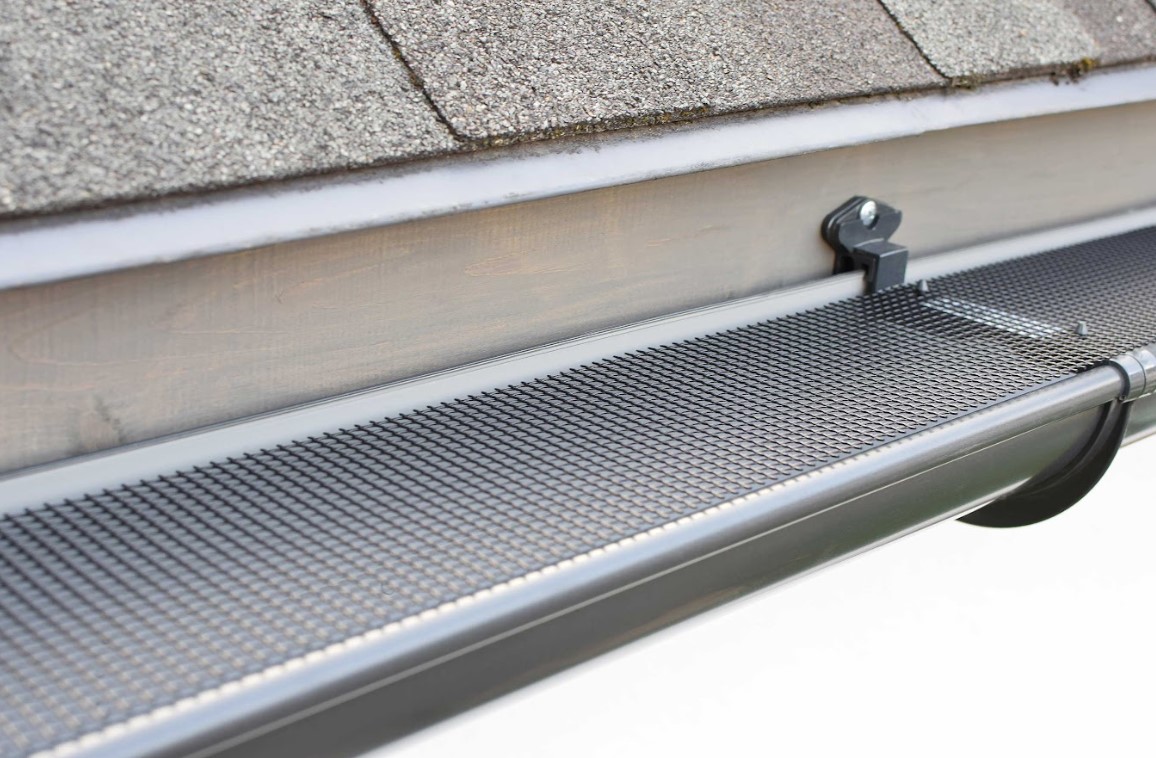
5. Consider Gutter Guards for Winter Protection
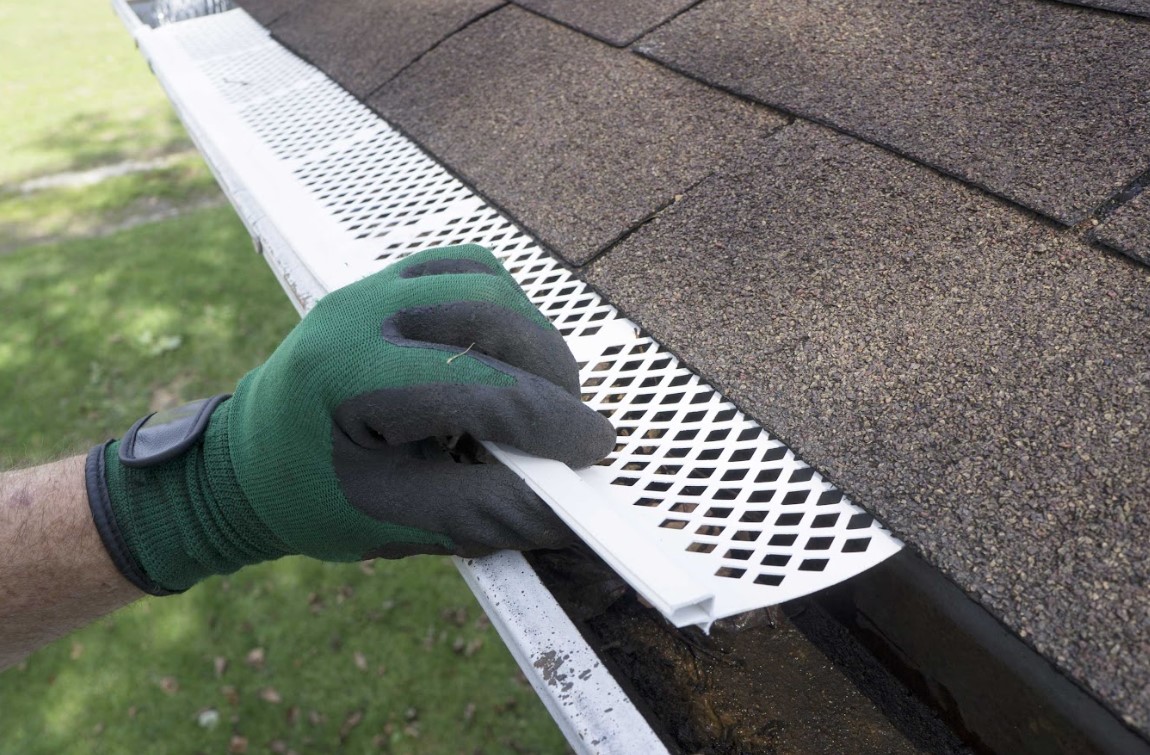
Gutter guards help keep out leaves, pine needles, and roof grit—especially important during snow season when access is limited.
What to do: If you’ve had problems with recurring clogs, look into guard systems that are designed for snowy climates. Not all are, so choose carefully.
We install guards that are rated for cold weather and compatible with seamless K-style systems—our go-to for Montana homes.
6. Use a Roof Rake to Clear the Edges
When heavy snow piles up on your roof, the lower edge gets the most meltwater runoff—and the first to freeze again.
What to do: After storms, use a roof rake (from the ground) to remove snow 3–4 feet up from the gutter line. Avoid climbing onto the roof. The risk isn’t worth it.
Removing even a few feet of snow can dramatically reduce the amount of water entering your gutters.
7. Address Attic Insulation and Roof Ventilation
This step isn’t about the gutters themselves—but it might be the most important one on this list.
Heat loss from your attic is the most common cause of roof snowmelt. And poor ventilation means that heat gets trapped instead of moving out properly, increasing the chance of ice damming.
What to do: Have your attic insulation evaluated. If your home was built more than 20 years ago, there’s a good chance it needs an update. Make sure your soffit vents aren’t blocked and that air is circulating properly.
Why Montana Homes Are More at Risk
You can’t talk about gutter maintenance in Montana’s winter season without acknowledging what makes this climate so difficult.
Homes in Park City and similar areas face:
- Heavy, wet snow that sticks around for months
- Days that thaw and nights that drop below freezing
- Older gutter systems that weren’t built for today’s conditions
And then there’s the construction itself. Many homes in our region have long roof overhangs, steep slopes, and minimal attic ventilation—an unfortunate mix when you’re trying to prevent ice buildup.
The material your gutters are made of also plays a role:
| Gutter Material | Why It Matters | What to Watch For |
| Aluminum | Lightweight, rust-resistant | May dent under heavy snow and ice |
| Steel | Stronger, better for snow loads | Needs proper coating to prevent rust |
| Seamless K-Style | Ideal for snow-heavy areas | Must be installed by a pro |
At Kirkness Roofing, we install seamless K-style systems with proper slope, strong fastening, and optional guard systems—all designed to handle Montana winters.
Common Winter Gutter Questions from Park City Homeowners
If you’re wondering how to best protect your home this winter, you’re not alone. We hear many of the same questions from homeowners across Park City every year. Below are our answers to the most common concerns about winter gutter care and ice dam prevention.
How often should I clean my gutters before winter?
You should clean your gutters at least twice a year before winter, especially in Park City. A late fall cleaning is critical to remove leaves, needles, and debris before snow starts to accumulate. This ensures water can flow freely and reduces the risk of ice dams forming.
Can I remove ice dams from my gutters myself?
Removing ice dams yourself is not recommended. While it might seem like a quick fix, using tools or heat on frozen gutters can damage the system or void your roofing warranty. It’s safer—and more effective—to have a licensed contractor handle the removal.
Are gutter guards helpful in snowy climates like Montana?
Yes, gutter guards can be very helpful in snowy Montana climates. While they don’t eliminate the need for maintenance, they reduce the buildup of debris that causes clogs and ice formation. Choose guards designed for winter performance to get the most benefit.
What is the typical cost of gutter replacement in Park City?
The average cost to replace gutters in Park City ranges from $1,200 to $3,500. This depends on the size of your home, the type of gutter materials used, and whether you opt for seamless or sectional systems. Seamless K-style gutters are often the most durable and cost-effective choice for Montana’s winter climate, as detailed in our full breakdown of gutter installation costs in Billings.
Does attic insulation really help prevent ice dams?
Yes, attic insulation plays a key role in preventing ice dams. Proper insulation keeps warm air inside your living space instead of escaping through the roof, which minimizes uneven snowmelt and reduces the chance of ice buildup in your gutters.
Can Kirkness Roofing inspect my attic or gutters during the winter?
Kirkness Roofing can inspect your attic, roof, and gutter system during the winter—weather permitting. Our team evaluates insulation, ventilation, and drainage to identify any winter-related risks and recommend preventive solutions tailored to your home.
Final Thoughts: A Little Prevention Saves a Lot
In a place like Park City, the winter season isn’t just a challenge—it’s a test. And your home’s gutter system is on the front lines. Staying ahead with a few smart gutter maintenance steps can protect your home, your wallet, and your peace of mind.
At Kirkness Roofing, we’ve been helping Montana homeowners since 1978. We know the weather. We know the homes. And we know what it takes to keep water where it belongs—outside.
Let us help you stay protected this winter. Schedule your free estimate today.