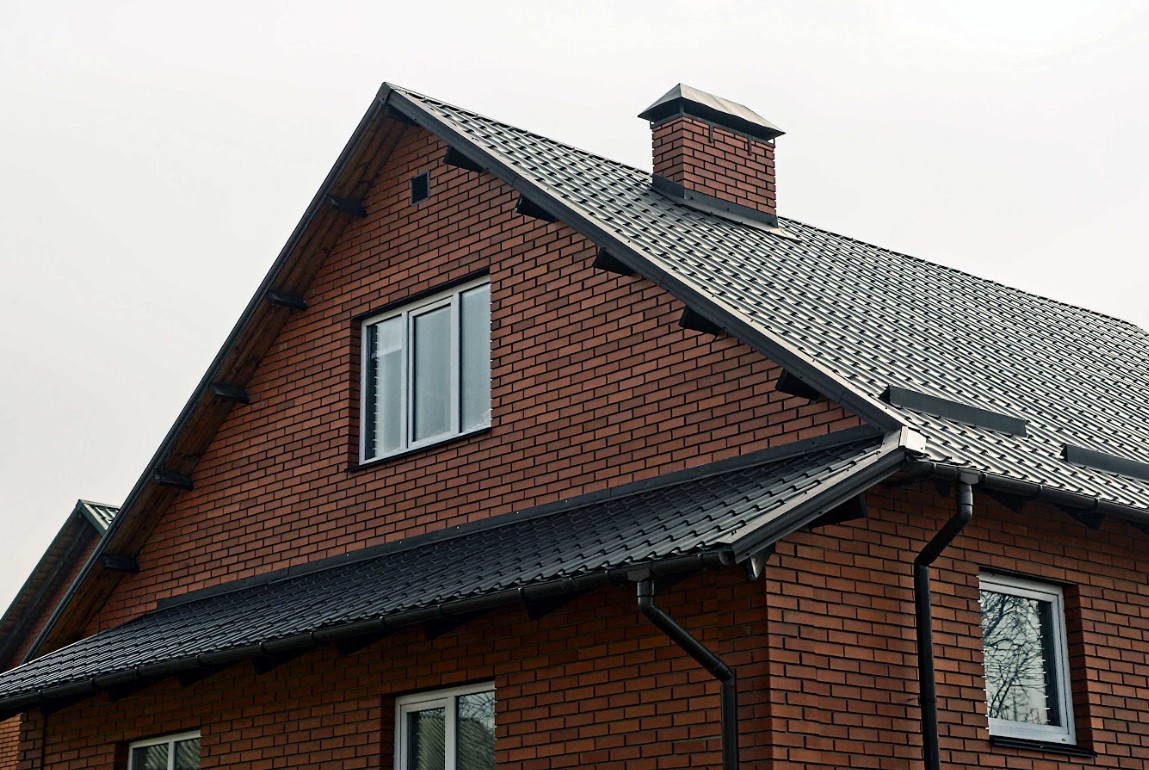
If you’ve lived near Joliet, MT for a few seasons, you know the weather doesn’t stay quiet for long. One storm may bring hail across the plains, another pushes strong winds through the area, and winter often piles heavy snow onto rooftops. Over time, these conditions test the strength of every roof. The real question becomes: how well does your roof material handle Montana weather?
That’s why many homeowners begin researching the best roofing materials, running a roof material comparison, or comparing roofing materials to understand which systems actually perform well when exposed to hail, wind, snow, and seasonal temperature swings.
Instead of focusing on how to select a roof, this article examines how common roofing systems perform side-by-side against Joliet’s weather conditions.
In this roof material comparison, we’ll explore:
- How Joliet weather affects roofing materials
- How asphalt, metal, and cedar roofing compare during storms
- Which materials perform best against hail, wind, and snow
- Cost, lifespan, and maintenance differences between roofing systems
If you’re evaluating roofing materials and want insight from a contractor familiar with Montana weather, Kirkness Roofing can help. Visit kirknessroofing.com to learn more or schedule an estimate.
Joliet, MT Weather Conditions That Impact Roofing Materials
To understand which roofing materials perform best, it helps to first look at the weather conditions roofs must withstand near Joliet, MT.
Homes in this area regularly experience:
- Large hailstorms during spring and summer
- Strong prairie winds moving across open terrain
- Heavy winter snow accumulation
- Rapid temperature swings between seasons
- Ice dams forming along roof edges
Each of these conditions stresses roofing systems in different ways.
Hail can bruise shingles or loosen granules. Wind can lift poorly secured roofing materials. Snow adds weight to the roof structure, while freeze-thaw cycles can gradually weaken older materials.
Because of these environmental pressures, comparing roofing materials based on how they perform in Joliet’s weather provides helpful insight for homeowners evaluating roof replacements.
What to Know Before Comparing Roofing Materials
Once local weather patterns are understood, the next step in a roof material comparison is looking at practical factors that influence roofing performance.
Installation Costs
Roof replacement costs vary depending on the materials used.
Typical price ranges seen across the region include:
- Asphalt shingles: $8,000 – $22,000
- Metal roofing: $14,000 – $85,000
- Cedar roofing: $24,000 – $60,000
Cost differences often shape which roofing systems homeowners include when comparing roofing materials.
Insurance and Storm Damage
Hailstorms frequently damage roofs in this part of Montana. Some roofing materials offer stronger impact resistance, which can influence insurance claims and long-term durability.
Roof Design and Ventilation
Roof pitch, ventilation, and attic design also affect how roofing systems perform during winter snow and summer storms.
With these factors in mind, homeowners can move into a more detailed roof material comparison focused on weather performance.
Roof Material Comparison: Asphalt vs Metal vs Cedar in Montana Weather
Once weather conditions and structural factors are clear, comparing common roofing materials side-by-side becomes easier.
The table below highlights how three common systems compare.
| Roofing Material | Cost | Lifespan | Hail Resistance | Maintenance |
| Asphalt Shingles | $$ | 15–25 years | Moderate | Low |
| Metal Roofing | $$$ | 40–70 years | Excellent | Very Low |
| Cedar Shake | $$$ | 25–40 years | Moderate | Moderate |
Each roofing material responds differently to Joliet’s weather patterns, which is why side-by-side comparison helps homeowners evaluate durability and long-term performance.
Comparing Roofing Materials for Joliet’s Hail and Wind
Among the weather challenges in Montana, hail and wind cause the most roof damage. Because of this, these conditions often become the main focus when comparing roofing materials.
Hail Resistance
Hailstorms frequently affect roofs in this region.
During a roof material comparison, hail performance often stands out:
- Metal roofing generally handles hail impacts very well.
- Impact-resistant shingles provide improved protection compared to standard shingles.
- Traditional asphalt shingles may experience cracking or granule loss after severe hail.
Wind Performance
Strong prairie winds also influence roofing durability.
Metal roofing systems often offer excellent wind resistance. Architectural shingles also perform well when installed properly.
These storm-related comparisons help illustrate how roofing systems respond to real weather risks.
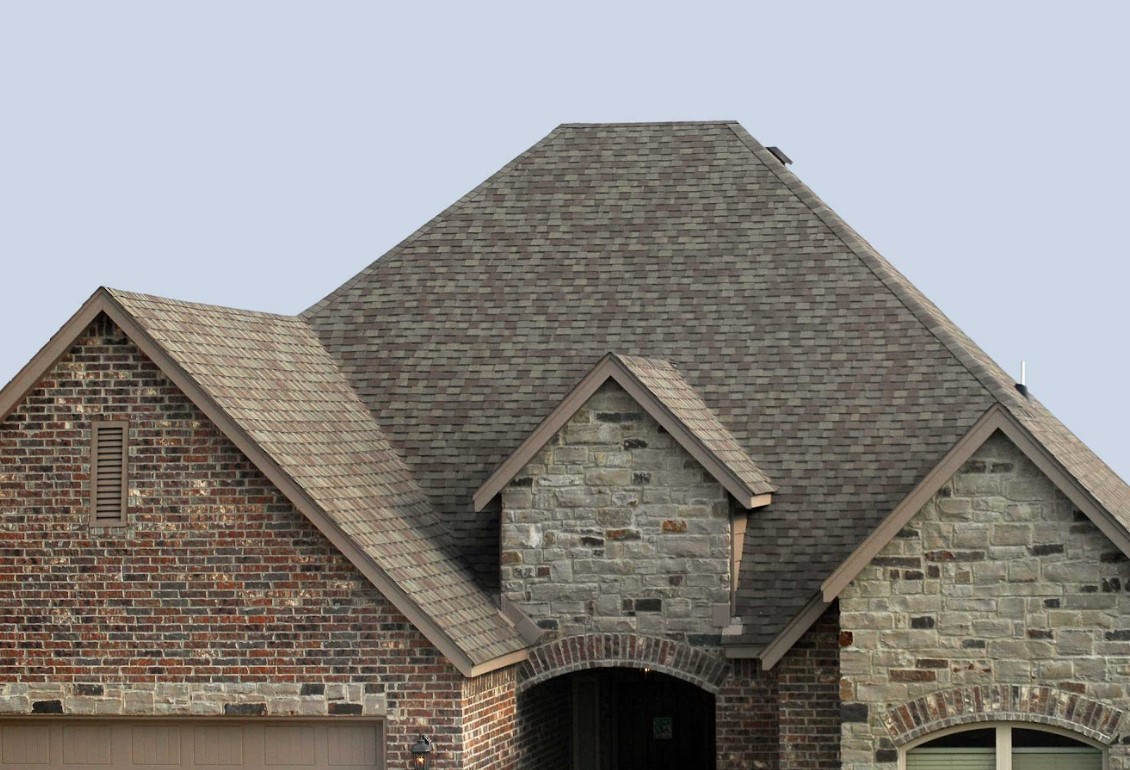
Roofing Material Performance in Montana Snow and Winter Weather
Winter weather introduces another important factor when comparing roofing materials.
Snow accumulation and ice dams can place significant stress on roofing systems during long winters.
| Roofing Material | Wind Resistance | Hail Resistance | Snow Performance |
| Asphalt Shingles | Good | Moderate | Good |
| Metal Roofing | Excellent | Excellent | Excellent |
| Cedar Shake | Moderate | Moderate | Moderate |
Metal roofing systems tend to shed snow easily, which helps reduce buildup and lower the risk of ice dams. Asphalt shingles can also perform well when paired with proper ventilation and underlayment.
These weather-specific differences are often central to a complete roof material comparison.
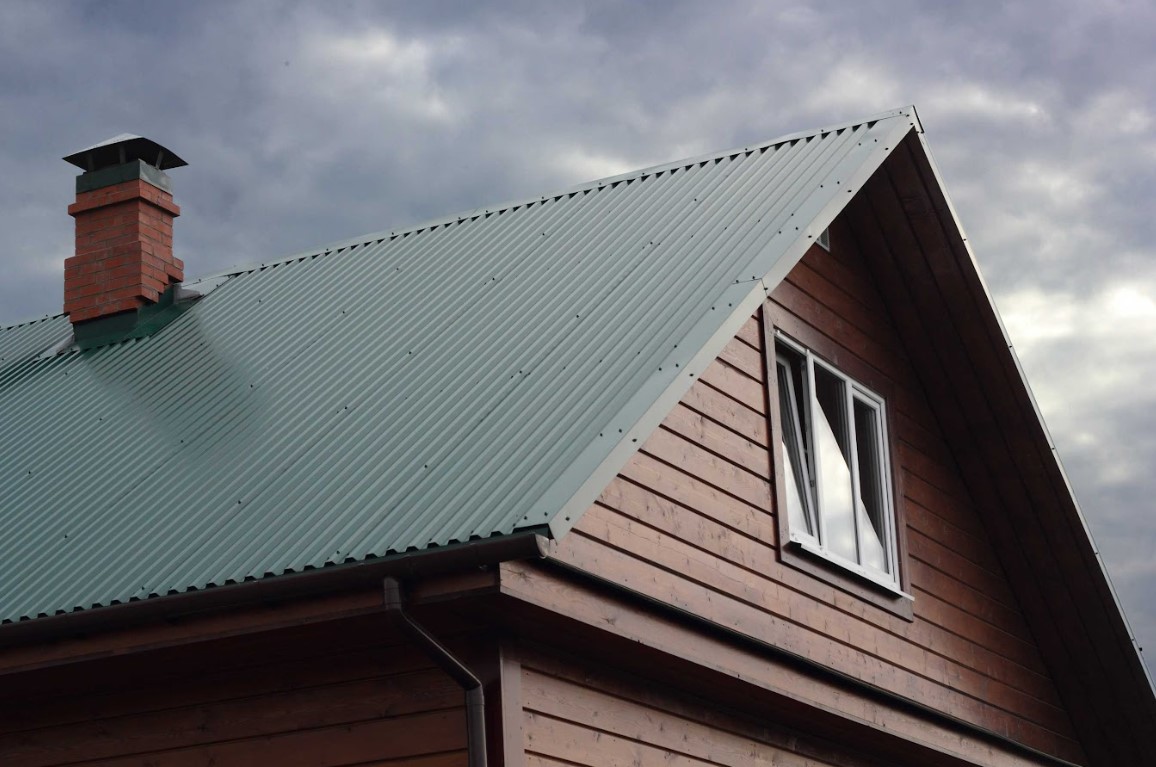
Roofing Material Lifespan Comparison
Durability over time is another important factor when comparing roofing materials.
Typical lifespans include:
- Asphalt shingles: 15–25 years
- Metal roofing: 40–70 years
- Cedar roofing: 25–40 years
Storm exposure, hail damage, and wind events can shorten these timelines.
If you want a deeper guide to evaluating roof systems, see our article on choosing the right roof material for Montana homes, which explains how roofing materials should be evaluated based on climate, durability, and long-term performance.
Real Roofing Performance in Montana Storms
Real-world storm experience can also provide helpful insight when comparing roofing materials.
Across the broader Yellowstone County region, many homes have experienced repeated hail events over the past decade. After these storms, asphalt shingles sometimes show visible damage while metal roofing systems often remain intact.
Seeing how different materials perform after real storms helps homeowners better understand which roofing systems may provide stronger protection against Joliet’s weather conditions.
Deep Dive: Pros and Cons of Common Roofing Materials
When homeowners start comparing roofing materials, it helps to look at the practical advantages and limitations of each system. In areas near Joliet, MT, factors like hailstorms, prairie winds, and winter snow can influence how well different roofing materials perform over time.
The table below summarizes how several common roofing materials compare.
| Roofing Material | Advantages | Limitations |
| Asphalt Architectural Shingles |
Affordable installation Good wind resistance Wide range of styles and colors |
Vulnerable to hail damage Shorter lifespan compared to metal systems |
| Metal Roofing |
Exceptional durability Long lifespan Strong performance during hail and wind |
Higher upfront installation cost Requires specialized installation |
| Cedar Roofing |
Natural appearance Good insulation properties Distinct architectural style |
Requires ongoing maintenance Higher installation costs |
Proper installation and ventilation also play a major role in how roofing materials perform. Even durable roofing systems can wear out faster if ventilation or underlayment is not handled correctly.
Joliet, MT Roofing Questions About Weather and Material Performance
When homeowners start comparing roofing materials for Joliet, MT weather conditions, a few practical questions often come up. The answers below help clarify how different roofing materials perform against hail, wind, snow, and seasonal temperature changes common in this part of Montana.
What are the best roofing materials for homes near Joliet, MT?
The best roofing materials for homes near Joliet, MT typically include architectural shingles, metal roofing, and impact-resistant shingles. These materials perform well against hail, wind, and winter snow that frequently affect roofs in this region.
How long do roofs usually last in this area?
Roofs near Joliet, MT usually last around 18 years without major hail damage when using asphalt shingles. Severe storms can shorten that lifespan depending on the condition of the roofing materials and how often the roof is exposed to hail or strong winds.
Do metal roofs perform better during Montana winters?
Metal roofs perform very well during Montana winters because they shed snow efficiently. This snow-shedding ability helps reduce buildup and lowers the risk of ice dams forming along roof edges.
How much does roof replacement cost in this region?
Roof replacement costs in this region typically range from $8,000 to $22,000 for asphalt shingles. The final price depends on roof size, installation complexity, and the type of roofing materials used.
Are impact-resistant shingles worth considering?
Impact-resistant shingles are often worth considering because they provide stronger protection against hail damage. These shingles are designed to withstand impacts better than traditional asphalt shingles and may qualify for insurance discounts in hail-prone areas.
Can roofs be replaced during winter?
Roofs are usually replaced between late spring and early fall in Montana. During these months temperatures allow roofing materials to seal properly, which helps ensure better installation performance.
Which roofing material performs best during hailstorms in Montana?
Metal roofing and Class 4 impact-resistant shingles typically perform best during hailstorms in Montana. These materials resist cracking and granule loss better than standard shingles when exposed to hail impacts.
Comparing Roofing Materials for Joliet Weather Conditions
Understanding how roofing systems respond to local weather is an important step when evaluating roof replacement options.
By comparing roofing materials side-by-side, homeowners can see how different systems handle hailstorms, prairie winds, heavy snow, and seasonal temperature swings common near Joliet, MT.
Kirkness Roofing has served homeowners across the region since 1978 and installs roofing systems designed to perform well in Montana weather. With decades of experience and certifications from leading manufacturers, our team understands how different roofing materials perform during real storm conditions.
If you’re researching the best roofing materials for your home and want guidance from a contractor familiar with Montana weather, schedule your free roof estimate today.