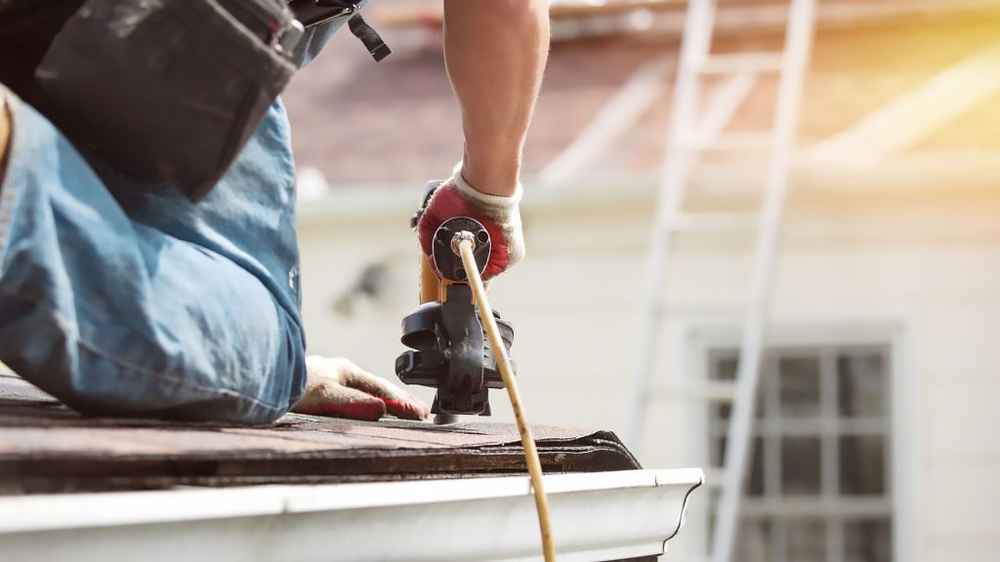
In Montana, winter doesn’t tap politely at your front door — it barrels in with snowdrifts, subzero wind chills, and ice dams that can do real damage to your home. If you’ve been through even one snowy season in Billings, you know your roof isn’t just a part of your house — it’s your first line of defense.
At Kirkness Roofing, Inc., we’ve been helping homeowners in our community weather harsh winters for over 40 years. And what we know for sure is this: winter roof preparation is one of the smartest things you can do for your home — and your wallet.
This guide is here to help you take action before the snow piles up. You’ll learn exactly what to look for, what to fix, and when to call in help (that’s us). And if you’ve never thought much about snowproofing roof tips before, don’t worry — we’ve got you covered.
Here’s what we’ll cover:
- What makes Montana roofs more vulnerable in winter
- A simple checklist to prep your roof before snow hits
- The best materials for snowy, cold climates
- When DIY is fine — and when to call a pro
- FAQs every homeowner should know before winter
Need help now? Get a free estimate from Kirkness Roofing before the first flakes fall.
Why Winter Prep Matters More in Montana
Let’s be honest: winters here are tough. Snow starts early, sticks around for months, and doesn’t always play nice. On average, Billings gets over 50 inches of snow per year. Add in wind and the constant freeze-thaw cycle, and your roof is working overtime just to stay intact.
Here’s the risk:
- Heavy snow = stress on your roof’s structure
- Ice dams = water backing up under shingles
- Cold temps = brittle materials and hidden cracks
When we say winter roof preparation matters for Montana homeowners, this is why. Taking care of small issues now helps you avoid major, expensive repairs later — and lets you enjoy the season with fewer worries.
Before You Climb a Ladder: What Every Montana Homeowner Should Know
We like a good DIY project as much as the next person. But before you grab your gloves and roof rake, let’s talk about what you need to know first.
1. How old is your roof?
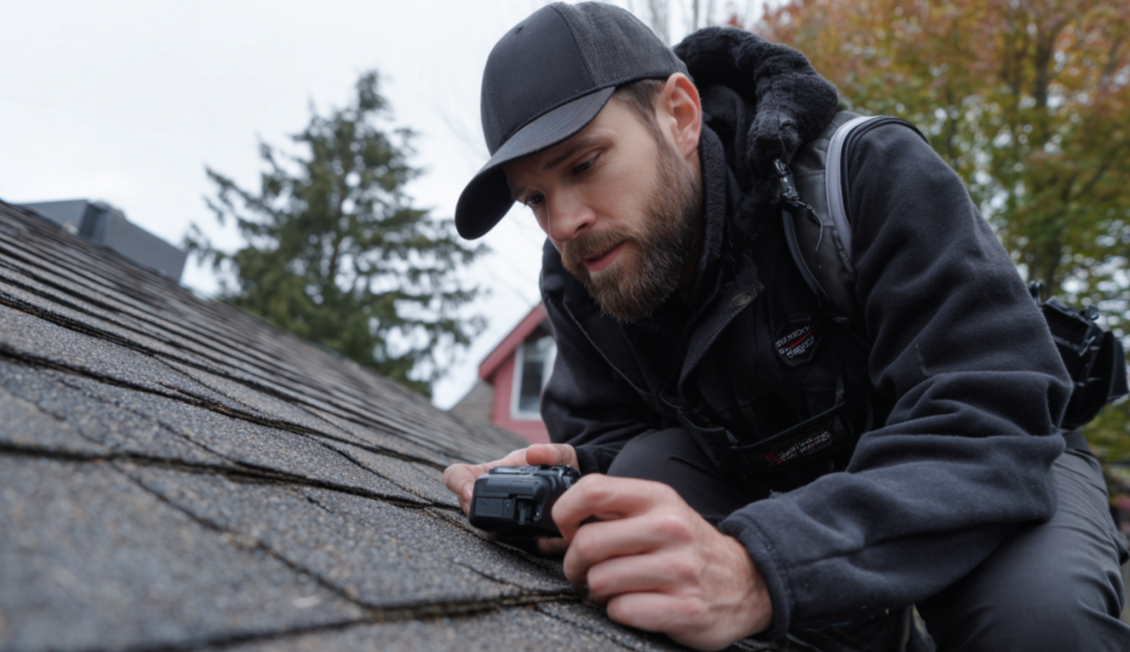
Roofs in Montana take a beating. If yours is more than 15–18 years old — or it’s been through one of our famous hailstorms — schedule a professional inspection. We’ve seen roofs look fine from the ground, only to find real issues up close.
2. What’s your warranty status?
At Kirkness, we offer lifetime material warranties and up to 20 years of workmanship coverage. If you’re not sure what your current roof is covered for, check before winter hits — especially if you’ve had previous repairs.
3. What can you reasonably fix yourself?
Clearing gutters? Sure. Replacing flashing around a chimney? Probably not. That’s why we recommend starting with a pro inspection. Then, you’ll know exactly what needs attention — and what can wait.
Step-by-Step: How to Prepare Your Roof for Montana’s Snowy Season
Here’s where you take action. This five-part checklist is simple, doable, and backed by decades of roofing experience.
1. Schedule a Roof Inspection (Yes, Before It Snows)
We can’t emphasize this enough. Early detection = lower costs and fewer headaches. During a fall inspection, we’ll check:
- Shingles (missing, curling, or loose)
- Flashing (especially around chimneys and skylights)
- Moisture inside the attic
- Proper ventilation
We’ve inspected thousands of Montana roofs. You’ll get a clear picture and honest advice — no scare tactics.
2. Clean Those Gutters Like a Pro
Clogged gutters aren’t just annoying. In winter, they lead directly to ice dams — which can damage your roof and interior walls.
What to do:
- Scoop out debris (leaves, pine needles)
- Make sure water flows freely
- Consider installing gutter guards
We install seamless systems that work with your roof — and help reduce gutter maintenance year-round.
3. Add Insulation and Improve Ventilation
You don’t want heat escaping through your attic. That warms your roof unevenly, causing snow to melt and refreeze — a major cause of ice dams.
Key tips:
- Aim for R-49 insulation in your attic (Montana standard)
- Make sure ridge and soffit vents are open and clean
- Seal any air leaks around pipes or fixtures
Bonus: These upgrades help with winter energy bills, too.
4. Repair Damaged Shingles and Flashing
If you’ve got a cracked shingle or loose flashing now, it won’t survive a Montana storm. Fixing small issues before winter is easier — and safer — than doing it under snow.
We work with Malarkey, GAF, and Owens Corning shingles, all designed for cold, snowy climates like ours.
5. Consider Snow Retention Systems
Got a steep roof or metal panels? Snow can slide off in large sheets — damaging your landscaping or hurting someone.
Snow guards help prevent that. If you’re not sure whether your roof needs them, we’ll take a look during your inspection.
Best Roofing Materials for Montana Winters: What Works, What Doesn’t
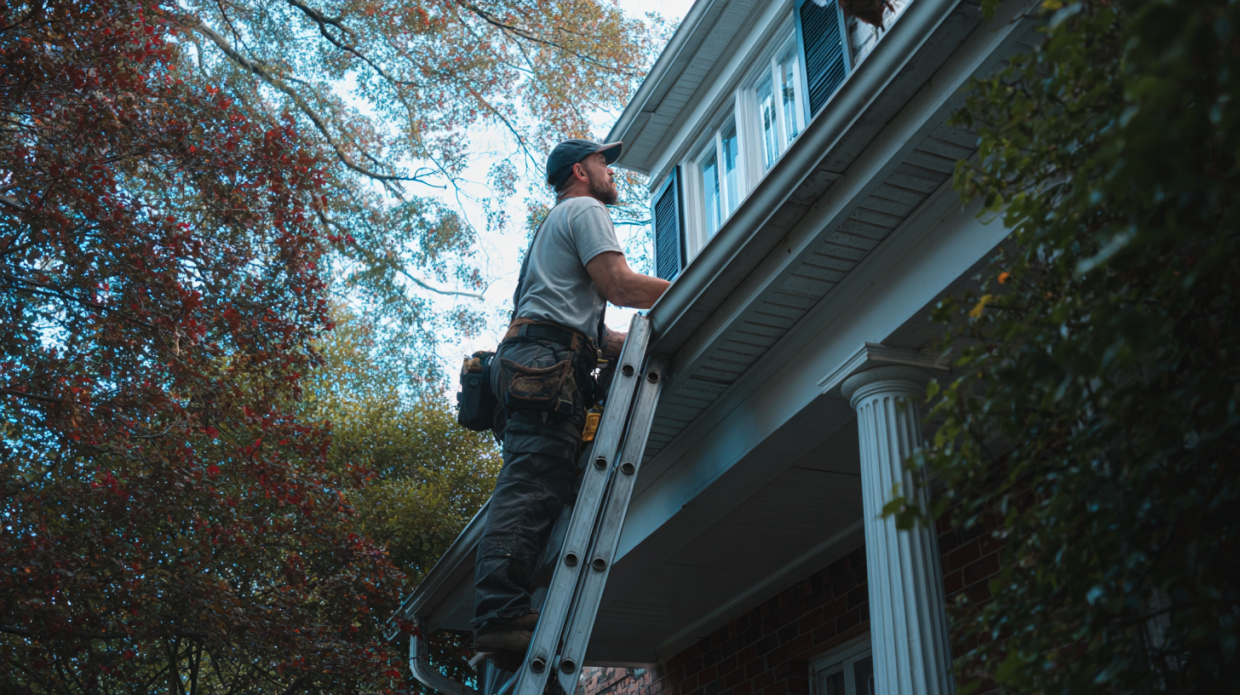
Not every roofing material handles snow well. Here’s a quick breakdown of what we recommend — and why:
| Material | Why It’s Good | What to Consider |
| Architectural Shingles | Budget-friendly, reliable | Shorter lifespan under snow load |
| Metal Roofing | Sheds snow fast, long-lasting | Higher up-front cost, but worth it |
| Cedar Shakes | Natural insulation, rustic charm | Needs ongoing maintenance |
| Tile/Slate | Ultra-durable and beautiful | Heavy, expensive, needs strong framing |
Not sure what you have or what’s best for your home? We’ll walk you through options during your free estimate.
Why Choose Kirkness Roofing, Inc.?
We’re not here for quick jobs or one-time fixes. We’ve been in business since 1978, and we’re proud to be one of Montana’s most trusted roofing contractors.
- A+ BBB rating
- Certified with GAF, Malarkey, Owens Corning
- Multi-year winner of “Best of Billings”
- No-home-equity financing available
- Satisfaction guarantee on every project
- And — we follow up. Even years later.
When we say we’ll be here after the snow melts — we mean it.
Essential Winter Roofing FAQs for Billings Homeowners
How often should I inspect my roof before winter in Montana?
You should inspect your roof at least once every fall and again in the spring. In Montana, this regular checkup helps prevent bigger, costlier issues during heavy snow seasons.
Can I remove roof snow myself in Billings?
Yes, but be careful. Use a roof rake from the ground — never climb up during winter. If the snow is heavy or deep, it’s safer (and smarter) to call in pros like us.
What is an ice dam, and why are they common in Montana?
An ice dam is a buildup of ice along your roof’s edge that stops melting snow from draining properly. They’re common in Montana due to constant freeze-thaw cycles and poor attic insulation.
Does insurance cover winter roof damage in Montana?
Usually, yes — but only if you’ve kept up with maintenance. We have licensed insurance adjusters on staff to help you understand your policy and file claims when needed.
When is the best time to replace a roof in Montana?
May through September is best. Shingles need warm temps to seal properly, so we don’t install them in winter.
How can I prevent snow from damaging my roof?
Clean your gutters, insulate your attic, seal up any air leaks, and consider snow retention systems if your roof needs them. These steps are some of the most effective snowproofing roof tips we share with Montana homeowners — and they go a long way toward preventing ice dams, water damage, and long-term structural issues.
What are signs that I need winter roof repairs?
Look for missing shingles, sagging rooflines, water stains in the attic, and heavy icicles. If something looks off, get it checked — early repairs are always cheaper.
Let’s Make Winter Easier on Your Roof
You’ve got enough to think about in the winter — your roof shouldn’t be one of them. With smart winter roof preparation, you can avoid emergencies, save money, and protect your home through the worst of Montana’s weather.
At Kirkness Roofing, Inc., we’ve been through every kind of winter Montana can throw at us. And we’re still here — helping homeowners just like you get peace of mind, one roof at a time.
Schedule your free estimate today, and let’s get your roof winter-ready — together.