What Park City Homeowners Should Know About Winter Roof Damage and Prevention
If you’ve lived through even one Park City winter, you know how unpredictable Montana’s weather can be. One day it’s sunny and mild, the next it’s a deep freeze. Snow melts, then refreezes. Then it melts again.
This back-and-forth between warm days and freezing nights is more than a seasonal pattern—it’s a stress test for your home. And your roof, in particular, takes the brunt of it. These temperature swings are what roofing pros call the freeze–thaw cycle—and they’re a leading cause of Montana winter roof issues, especially in areas like Park City.
At Kirkness Roofing, we’ve seen what happens when small freeze-thaw problems are ignored: roof leaks, warped shingles, water damage, and repair bills that show up in spring. The good news? Much of that damage is preventable with the right awareness and care.
Here’s what we’ll cover in this post:
- What the freeze–thaw cycle really is and how it affects Montana roofs
- Why Park City homes are especially vulnerable
- What to look for before damage sets in
- Preventive steps that save time and money
- Roofing materials and practices that hold up in cold weather
- Common questions local homeowners ask this time of year
Kirkness Roofing can help with inspections, repairs, and long-term roof planning.
Why Montana’s Freeze–Thaw Cycle Is Tough on Roofs
Let’s break it down. A freeze–thaw cycle occurs when snow or ice melts during the day, then refreezes at night. In the process, water sneaks into tiny cracks in your shingles or under your flashing. Then it freezes, expands, and makes those cracks wider. This cycle repeats over and over—sometimes daily—for months.
In Park City and similar areas across Montana, this is just part of winter. But that doesn’t make it harmless.
Here’s what it can do to your roof:
- Loosen or dislodge shingles
- Cause flashing to warp or lift
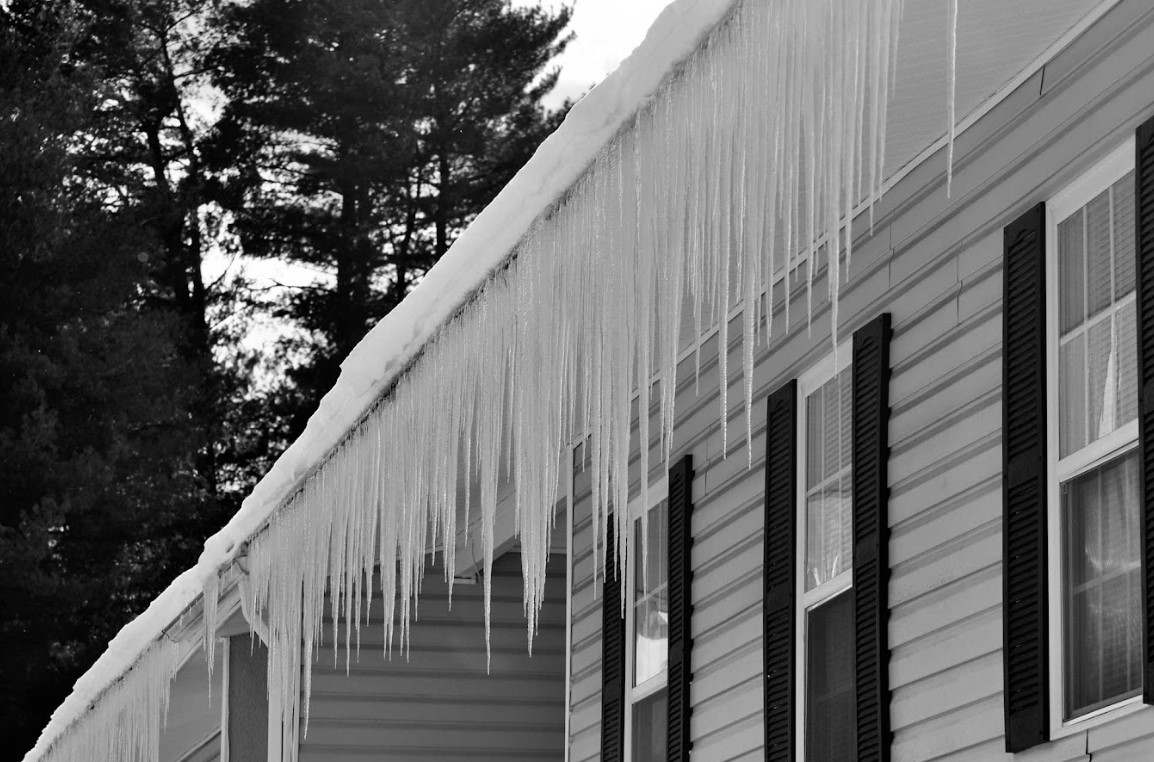
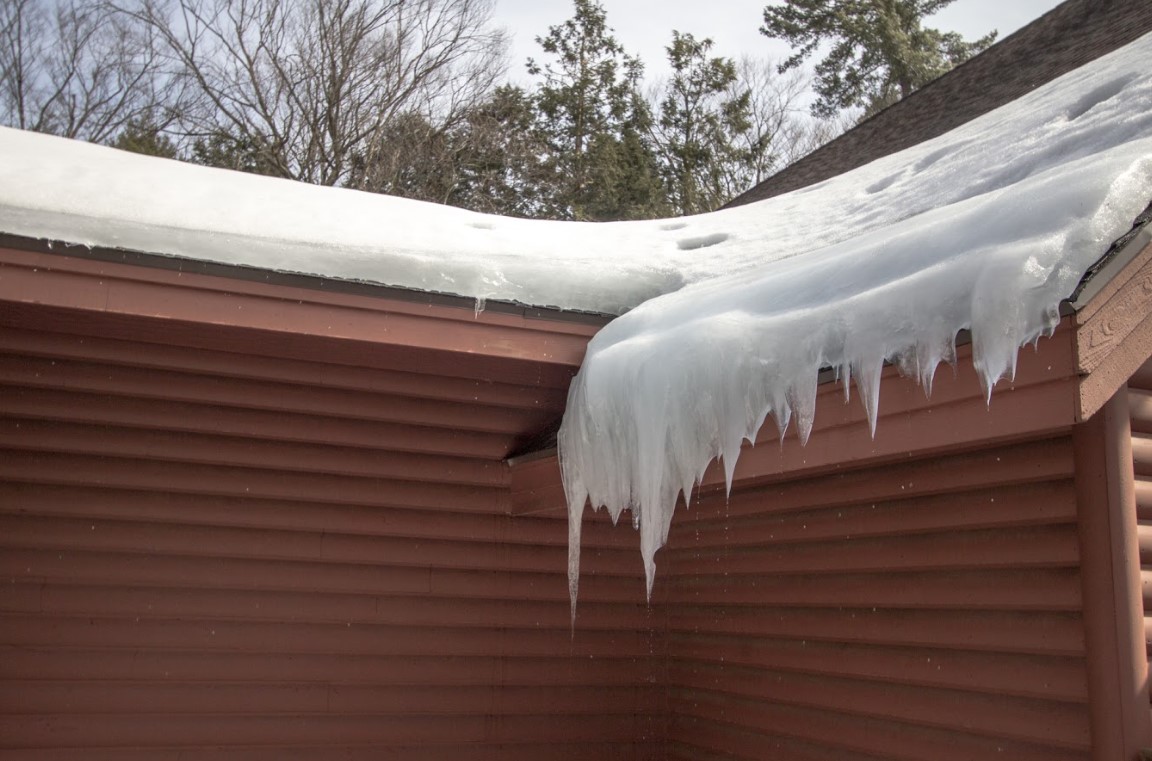
- Lead to ice dams that trap meltwater
- Allow moisture into your attic, walls, or insulation
Montana winter roof issues caused by freeze-thaw damage aren’t always visible right away. Many homeowners don’t see signs until spring, when stains or leaks begin to show up.
What Homeowners Should Know Before Addressing Freeze–Thaw Damage
Before you jump into repairs or upgrades, here are a few key points to consider:
Budget Wisely
A small repair in November may cost a few hundred dollars. That same issue—left unaddressed—could lead to a $5,000 leak come spring. Preventive maintenance is often the most cost-effective solution.
Schedule Early
The best time to inspect your roof for freeze–thaw damage is in early winter or late fall. Once deep snow sets in, access becomes more difficult—and some materials are harder to work with in freezing temperatures.
Know Your Materials
Not all roofing materials hold up equally well in Montana winters. Asphalt shingles, while common, can crack under repeated freeze–thaw stress. Metal roofs, while more expensive upfront, typically perform better over time.
Permits and Access
For minor repairs, permits usually aren’t required. For larger projects or roof replacements, our team can handle any necessary documentation for your area or HOA.
7 Steps to Prevent Freeze–Thaw Roof Damage This Winter
Here’s what you can do—right now—to minimize the impact of freeze-thaw cycles on your Montana roof.
1. Get a Professional Roof Inspection
Start with a full inspection before the worst of winter hits. Look for:
- Small cracks in shingles
- Loose flashing around vents and chimneys
- Areas where water might collect or pool
These small issues often become big ones under repeated freezing and thawing.
2. Clean Your Roof and Gutters Thoroughly
Leaves, pine needles, and debris hold water against the roof. In winter, that water freezes—and expands.
Clearing your gutters and removing debris from the roof surface allows meltwater to drain properly. This is one of the simplest ways to prevent freeze-thaw roof damage.
3. Improve Attic Insulation and Ventilation
Poor insulation is a hidden culprit behind many Montana winter roof issues. Warm air escaping into the attic causes snow on the roof to melt prematurely—then refreeze at the edges. That creates ice dams and traps moisture.
A properly insulated and ventilated attic keeps the roof surface at a consistent temperature, reducing freeze–thaw stress.
4. Remove Snow From Roof Edges After Heavy Storms
You don’t need to remove all the snow. Just clear the lower 3–4 feet near your eaves using a roof rake (from the ground, not the roof itself).
Less snow means less meltwater—and a lower risk of ice forming in dangerous places.
5. Reseal Flashing and Roof Penetrations
Anywhere something sticks out of your roof—chimneys, vents, skylights—should be tightly sealed. These are the most common places for freeze–thaw water to enter.
Use a cold-weather sealant, or better yet, have a roofing contractor reseal these areas before peak winter arrives.
6. Watch for Interior Signs of Damage
Ceiling stains, moldy attic insulation, and even peeling paint near the top of your walls may all point to freeze–thaw issues.
If you see any of these symptoms, call for an inspection. Catching problems early is your best defense.
7. Upgrade to Cold-Weather Roofing Materials (If Needed)
If your roof is nearing the end of its life, it might be time to consider materials that perform better in cold climates.
Metal roofing and impact-rated composite shingles often resist thermal expansion and contraction better than standard asphalt. They also shed snow more effectively, helping to avoid ice dams.
How Roofing Materials Perform During Freeze–Thaw Cycles
Park City homeowners face extreme weather for nearly half the year. Here’s how common roofing materials stand up to the stress of constant freezing and thawing.
| Material | How It Performs in Freeze–Thaw Cycles | Considerations |
| Asphalt Shingles | Affordable, but prone to cracking in cold weather | Shorter lifespan without proper ventilation |
| Metal Roofing | Excellent performance; sheds snow easily | Higher upfront cost |
| Composite Shingles | Impact-rated options resist expansion/contraction well | Must choose the right brand and rating |
| Slate or Tile | Durable and long-lasting, but heavy | Requires proper structural support |
At Kirkness Roofing, we install roofing systems designed for Montana’s winter stress—including products backed by lifetime warranties and up to 20 years of workmanship protection.
We also help you compare options based on your home’s age, insulation levels, and roof slope—because the right material makes all the difference in withstanding the freeze–thaw cycle.
Common Questions About Freeze–Thaw Damage in Park City
Answers for Homeowners Worried About Montana Winter Roof Issues
If you’re wondering what’s normal for a Montana winter and what’s a red flag, you’re not alone. Here are some of the most common questions we get from Park City homeowners about freeze-thaw roof damage.
What is freeze–thaw roof damage?
Freeze–thaw roof damage is caused by melting snow entering small cracks or joints in your roof, then refreezing and expanding. This repeated stress can lead to leaks, cracked shingles, and long-term water damage.
How do I know if my roof has freeze–thaw damage?
You can tell your roof has freeze–thaw damage if you notice water stains on ceilings, lifted shingles, or wet insulation in the attic. Mold, ice dams, and peeling paint near the top of interior walls may also indicate a problem.
Can I prevent freeze–thaw damage without replacing my roof?
Yes, you can prevent freeze–thaw damage with proper insulation, regular roof inspections, and sealing problem areas. In many cases, small improvements can extend your roof’s lifespan significantly.
Does insurance cover freeze–thaw roof damage?
Insurance may cover freeze–thaw roof damage if it leads to sudden leaks or water damage. At Kirkness Roofing, we have licensed and former adjusters on staff who can help you through the claims process.
When is the best time to inspect for freeze–thaw issues?
The best time to inspect for freeze–thaw issues is before winter starts or during a mid-winter thaw. Early detection reduces the risk of expensive repairs in spring.
What’s the best roofing material for freeze–thaw conditions?
Metal roofing and impact-rated shingles are ideal for freeze–thaw conditions. They resist cracking, shed snow easily, and handle temperature swings better than standard materials.
Final Thoughts: Get Ahead of Winter Roof Problems in Montana
The freeze–thaw cycle is a fact of life in Park City—and across Montana. But freeze–thaw roof damage doesn’t have to be. With regular inspections, the right materials, and a focus on prevention, you can protect your roof from the harshest effects of our winter weather.
At Kirkness Roofing, we’ve been helping Montana homeowners protect their homes for over 45 years. With deep experience in cold-weather roofing, industry certifications, and an A+ BBB rating, we’re ready to help you prepare for what’s ahead.