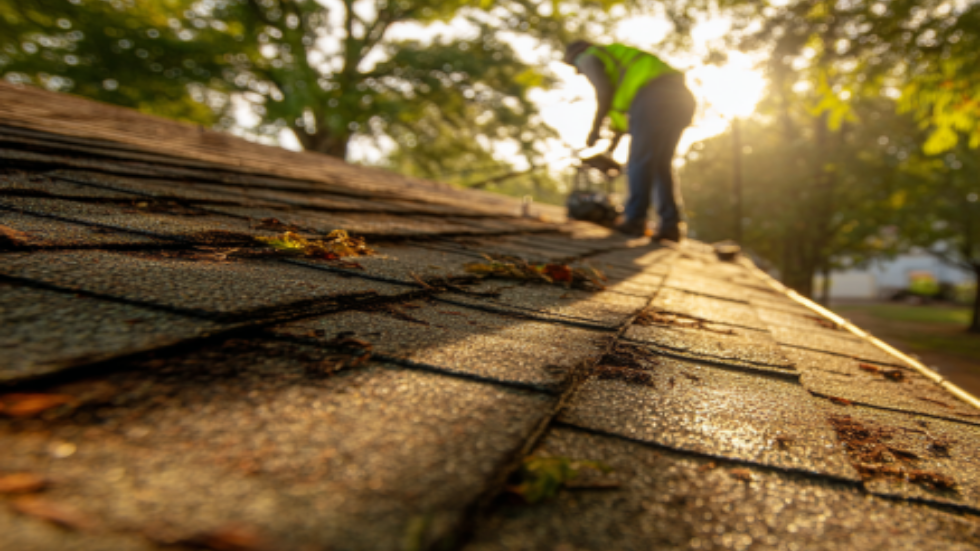
Summer is one of the smartest times for homeowners in Shepherd to check the condition of their roof. After months of snow, wind, freeze-thaw cycles, and spring hail activity, damage that was easy to miss in winter often becomes easier to spot in warmer weather. A practical summer roof maintenance checklist can help you catch small problems before they turn into costly repairs.
During a summer roof inspection, homeowners should look for missing or lifted shingles, granules in gutters, hail marks, wind damage, flashing issues, clogged drainage, attic moisture, and signs of leaks. Summer is the right time to find hidden roof damage before Montana snow, ice, and freeze-thaw cycles return.
That matters here. Roof maintenance in Montana is not just about keeping up appearances. It is about protecting one of the largest investments you own.
A small roofing problem caught early is usually far less expensive than a major repair. A lifted shingle, loose flashing, clogged gutter, or soft spot around a vent may not feel urgent today. But after another round of summer wind, hail, or winter ice, that same issue can become a leak, a damaged ceiling, or a much larger roofing bill.
This guide explains what to check, why those items matter locally, and when it makes sense to schedule a professional roof estimate.
In this article, we’ll cover:
- Why summer is a good time to check your roof
- Ground-level warning signs homeowners can spot safely
- How to identify common signs of hail and wind damage
- What not to do during a roof check
- Why gutters, drainage, and attic conditions matter
- How different roofing materials show summer damage
- When roof repair or replacement makes more financial sense
- How preventative maintenance can save money over time
If you are unsure whether your roof made it through the last storm season without damage, Kirkness Roofing can help.
Why Summer Is the Best Time to Check Your Roof in Shepherd
Summer gives homeowners a clearer view of what winter and spring may have left behind. Snow is gone. Ice is no longer covering roof edges. Gutters are easier to evaluate. Shingles, flashing, vents, and drainage issues are usually more visible from the ground.
In Shepherd and throughout Yellowstone County, roofs regularly deal with heavy snow, freeze-thaw cycles, spring and summer hail, and strong winds. Each of those weather patterns can affect the roofing system in a different way. Snow and ice strain roof edges and gutters. Freeze-thaw cycles can widen small gaps around flashing. Hail can bruise shingles or knock protective granules loose. Wind can lift shingle edges or loosen roofing components.
That combination makes seasonal roof maintenance especially important for local homeowners.
A summer roof inspection does not always mean climbing onto the roof. Many early warning signs can be spotted safely from the ground, from inside the attic, or while checking gutters and downspouts. The goal is not to diagnose every roofing problem yourself. The goal is to notice when something has changed, document concerns, and bring in a professional when needed.
Catching a problem during summer gives you more flexibility to plan repairs before winter weather returns. It also gives you time to ask questions, understand your options, and avoid making rushed decisions during an active leak or snowstorm.
What Homeowners Should Know Before Using a Summer Roof Maintenance Checklist
Before using a summer roof maintenance checklist, it helps to understand what you are really checking. A roof is a system made up of roofing materials, flashing, vents, underlayment, decking, gutters, attic ventilation, and drainage. When one part of that system fails, the rest can be affected.
A few missing shingles may allow water to reach the underlayment. Poor gutter drainage may push water back toward fascia boards or roof edges. Attic moisture may point to ventilation issues that are slowly shortening the life of the roof. These problems are connected, which is why a thorough summer roof inspection looks beyond the surface.
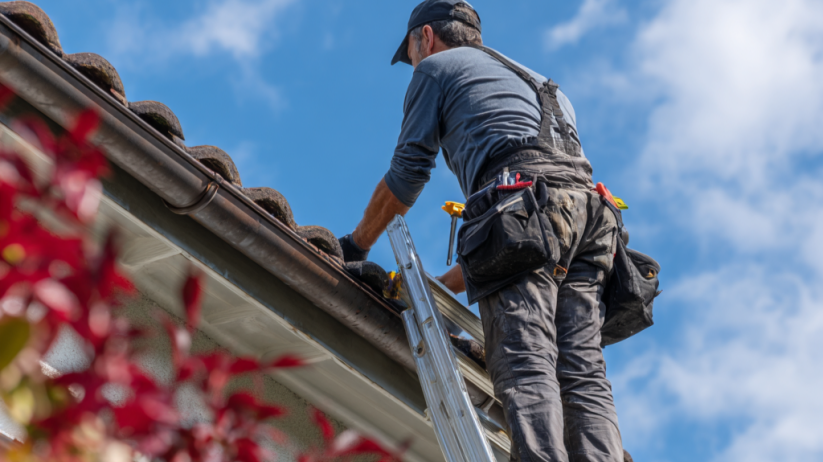
Safety also matters. Homeowners should avoid walking on steep, aging, wet, or storm-damaged roofs. A ground-level review with binoculars is often a safer place to start. If you see anything concerning, scheduling a roof estimate is usually the better financial choice than risking injury or missing hidden damage.
Budget planning is part of the process too. Minor repairs are often more manageable when handled early. If storm damage, aging materials, or larger repairs are involved, knowing the condition of your roof gives you time to plan instead of reacting to an emergency leak.
Start Your Summer Roof Inspection With Ground-Level Warning Signs
A good roof inspection checklist begins where homeowners can safely see the roof. Walk around the property and look at each roof slope from different angles. You are looking for changes in the roofline, missing materials, uneven wear, and anything that seems out of place after winter or recent storms.
This first step matters because many roofing problems show early clues before they become leaks. You may not be able to see everything from the ground, but you can often spot enough to know when a professional estimate makes sense.
Missing or Lifted Shingles Signal Wind Exposure
Missing or lifted shingles are one of the most common warning signs to check during a summer roof inspection. Even if only a few shingles are affected, exposed areas can allow water to move beneath the roofing surface.
Look for shingles that appear raised, curled, cracked, or shifted out of alignment. These issues may seem small from the ground, but wind can continue working under loose edges and make the damage worse over time.
In Shepherd, where summer wind events and storm systems can move through quickly, lifted shingles should not be ignored. A small area of wind damage can become a leak after the next heavy rain or freeze-thaw cycle.
Granules in Gutters Can Point to Shingle Wear
Granules protect asphalt shingles from sun exposure and weathering. Some granule loss is normal as a roof ages, but large amounts collecting in gutters or near downspouts can be a sign of storm damage or advanced wear.
Hail can knock granules loose. Summer heat can accelerate aging. Once granules are gone, shingles become more vulnerable to UV damage and moisture.
That makes gutters one of the most useful places to check during summer roof maintenance. If you see heavy granule buildup, especially after a hailstorm, it may be time to have the roof evaluated.
Sagging or Discoloration Can Indicate Moisture Problems
A roofline should look even and consistent. Sagging areas, dark patches, or visible discoloration may point to trapped moisture, aging decking, or drainage problems.
These signs deserve attention because moisture-related roofing issues often grow quietly. By the time a leak appears inside the home, water may have already affected decking, insulation, or interior finishes.
During a summer roof inspection, do not overlook areas that simply look “off.” Uneven color, dips in the roofline, and stains near roof edges can all point to issues worth checking further.
Check for Signs of Hail and Wind Damage During Summer Roof Maintenance
A storm damage roof checklist is especially useful in Montana because hail and wind are two of the most common reasons homeowners need roof repairs.
Hail damage signs are not always obvious from the ground. Some hail impacts bruise shingles without creating immediate holes. Over time, those bruised areas can lose granules and become more vulnerable to water intrusion.
During your roof check, look around the home for clues that the roof may have taken a hit. Dented vents, marked gutters, damaged siding, and torn window screens can all suggest the roofing system may also have damage.
Homeowners should watch for dented roof vents or metal flashing, granules collecting in gutters, dark impact spots, cracked or split shingles, loose or missing shingles after wind, and damage to siding, gutters, or window screens.
Wind damage can be just as costly. Strong gusts can lift shingle edges, loosen flashing, or expose fasteners. Once water finds a path under the roofing surface, even a small opening can create bigger problems during future storms.
If you notice signs of hail or wind damage, it is worth scheduling a roof estimate before assuming the issue is only cosmetic. Kirkness Roofing has insurance claim experience and can help homeowners understand what is storm-related, what is wear and tear, and what should be addressed before the next season.
What Homeowners Should Not Do During a Summer Roof Check
A summer roof inspection should help you avoid unnecessary costs, not create new ones. The safest approach is to look carefully, document what you can see, and avoid taking steps that may damage roofing materials or put you at risk.
Homeowners should not walk on steep, wet, aging, or storm-damaged roofs. Even a dry roof can be unsafe if shingles are loose, granules are worn down, or decking has been weakened by moisture. Walking on shingles can also cause additional granule loss or make existing damage worse.
It is also best not to lift shingles to check underneath them. Shingles are part of a layered roofing system, and pulling on them can break seals, crack materials, or create openings where water can enter later.
Avoid pressure washing asphalt shingles. It may seem like a fast way to clean the roof, but high-pressure water can strip away protective granules and shorten the life of the roofing system.
Finally, do not assume that no leak means no damage. Hail, wind, and flashing problems can take time to show up inside the home. A roof may look fine from the driveway and still have damage that becomes more expensive after the next storm or freeze-thaw cycle.
Don’t Forget Gutters and Drainage During a Summer Roof Inspection
Gutters may not be the first thing homeowners think about during a roof inspection, but they are an important part of roof performance. A roof is designed to shed water. Gutters help move that water away from roof edges, siding, landscaping, and the foundation.
When gutters are clogged, sagging, or pulling away from the fascia, water can collect where it should not. That can lead to damaged fascia boards, staining, basement moisture concerns, and ice dam risks once cold weather returns.
During summer maintenance, check for debris or roofing granules inside gutters, downspouts that drain too close to the home, sections that sag or overflow during rain, loose fasteners, separated seams, and water stains on siding or fascia.
In Shepherd, where winter ice and summer storms both affect drainage, keeping gutters working properly helps reduce preventable roof and exterior damage. If your roof check reveals gutter problems, treat them as part of the roofing system rather than a separate afterthought.
Attic Conditions Are an Important Part of a Summer Roof Inspection
Some roof problems show up inside the attic before they show up on the ceiling. That is why attic conditions belong on any summer roof maintenance checklist.
A quick attic review can help homeowners spot signs of moisture, poor ventilation, or hidden roof damage. Look for damp insulation, musty odors, dark staining on wood, daylight coming through the roof boards, or areas that feel unusually hot.
Attic heat buildup can shorten roof lifespan over time, especially for asphalt shingles. Poor ventilation can also contribute to moisture problems in winter and ice dam formation near roof edges.
If the attic feels excessively hot, smells damp, or shows signs of staining, the issue may be connected to the roof, ventilation, or both. A professional roof estimate can help determine what is happening before it becomes a more expensive repair.
For Shepherd homes, attic checks are especially useful because winter damage does not always show up outside first. Moisture stains, damp insulation, and trapped heat can reveal that the roofing system is under stress even before a leak appears in the living space.
Different Roofing Materials Need Different Summer Inspection Checks
Not every roof shows damage the same way. A useful summer roof inspection checklist should account for the roofing material on the home, especially in Montana where weather conditions can be hard on multiple roof types.
Asphalt shingle roofs are common throughout the Billings area. During a summer roof inspection, homeowners should look for missing shingles, curling edges, cracking, granule buildup in gutters, and signs of hail impact. These are often the clearest early indicators that a shingle roof may need repair.
Metal roofs may show damage through loose fasteners, lifted panels, bent flashing, failing sealants, or dents from hail. A small loosened area can become more serious if wind continues getting underneath it.
Flat roofing systems need careful attention to drainage. Standing water, open seams, membrane damage, soft spots, or clogged drains can all create problems if left unaddressed before the next season.
Cedar roofs can show splitting, curling, moisture retention, or uneven aging. Because cedar reacts differently to sun and moisture than asphalt shingles, it should be evaluated with material-specific experience.
Tile and slate roofs may develop cracked, broken, or displaced pieces after storms. Even one damaged tile or slate section can create a path for water if the underlayment beneath it becomes exposed.
The main point is simple. What you check depends on the roof you have. That is one reason a professional roof estimate can be valuable when damage is unclear.
Why Documentation Matters After Summer Storms
Documentation is part of smart roof maintenance because it helps homeowners stay organized after hail, wind, or heavy rain.
Start with the basics. Write down the date of the storm, especially if hail, high winds, or heavy rain moved through your area. Take photos of visible damage from the ground, including gutters, downspouts, vents, siding, window screens, and any shingles you can safely see.
Also keep notes from any contractor estimate, repair recommendation, or insurance conversation. This creates a clearer record if damage worsens or if you need to discuss a claim with your insurance company.
Documentation does not mean you need to decide right away whether the roof needs repair or replacement. It simply gives you more information. For busy homeowners, that can reduce stress and help prevent rushed decisions after the next storm.
How to Know Whether Roof Repair or Replacement Makes More Sense
One of the most practical reasons to complete a summer roof inspection is to understand whether a repair is enough or whether replacement should be considered.
The answer depends on the age of the roof, the extent of the damage, the roofing material, the condition of the decking, and whether the problems are isolated or widespread.
A small area of missing shingles may only need roof repair, especially if the rest of the roofing system is in good condition. The same may be true for a loose flashing section, a few damaged vents, or localized wind damage.
Replacement may make more sense when damage is widespread, shingles are nearing the end of their expected life, granule loss is extensive, or repeated repairs are no longer solving the problem. In Shepherd and nearby areas, repeated hail and wind events can make this decision more complicated because homeowners are weighing storm damage, roof age, insurance factors, and budget all at once.
This is where a clear estimate matters. A good roofing contractor should help you understand your options, not push you toward the most expensive one. The goal is to choose the path that protects your home without overspending.
When a Professional Roof Estimate Makes Sense After a Summer Roof Check
There is a difference between checking your roof and diagnosing your roof.
Homeowners can often spot early warning signs, but a professional estimate is important when damage may be hidden, storm-related, or tied to multiple parts of the roofing system.
A roof estimate makes sense if you notice missing or lifted shingles, granules in gutters after hail, dented vents or flashing, water stains inside the home, attic moisture, sagging roof areas, recurring ice dams, or gutters pulling away from the home.
It is also smart to schedule a roof estimate after a major hail or wind event, even if you do not see an active leak. Hail damage can show up months later as shingles continue to lose protective granules.
During a professional review, the contractor should look at shingles, flashing, vents, gutters, attic conditions, roof decking concerns, and storm-related wear. The point is to give you a clear picture of what needs attention now, what can be monitored, and what may become more expensive if delayed.
How Preventative Roof Maintenance Can Save Money
Summer roof maintenance is a financial habit as much as a home maintenance task. It gives homeowners more control over roofing decisions.
A small repair handled early may help prevent water damage, insulation replacement, drywall repairs, mold concerns, or premature roof replacement. That can make a meaningful difference, especially when roofing costs vary widely based on material, roof size, and damage severity.
In the Billings region, shingle roof replacements commonly range from several thousand dollars to well over $20,000 depending on the project. Roof repairs can also vary depending on whether the issue involves wind damage, leaks, flashing, or storm-related repairs.
Preventative maintenance helps homeowners avoid rushed decisions during an emergency. It also creates a record of roof condition, which can be useful after storms or during insurance claim conversations.
For larger roofing needs, Kirkness Roofing offers financing options that may help homeowners manage project costs without requiring home equity. Homeowners can view personalized monthly payment options without affecting their credit score, with funding often available within 1 to 3 days and no prepayment penalties.
The goal is not to spend more. It is to make informed decisions before small problems become expensive ones.
Why Summer Timing Gives Shepherd Homeowners More Roofing Options
Summer gives homeowners more room to make thoughtful roofing decisions. Roofing problems rarely get easier to manage once snow, ice, and freezing temperatures return.
When damage is found early in the season, there is usually more time to compare repair options, review insurance questions, plan for costs, and schedule work before winter weather creates added pressure. It also gives contractors better conditions for evaluating shingles, flashing, gutters, attic ventilation, and storm damage.
Waiting until fall or winter can limit those choices. A small leak may become an urgent repair during a snowstorm. Damaged gutters may contribute to ice buildup. Loose shingles may worsen under wind and freezing temperatures.
For homeowners trying to protect both their roof and budget, summer roof maintenance provides something valuable: time to make a clear decision.
Summer Roof Inspection Questions for Shepherd Homeowners
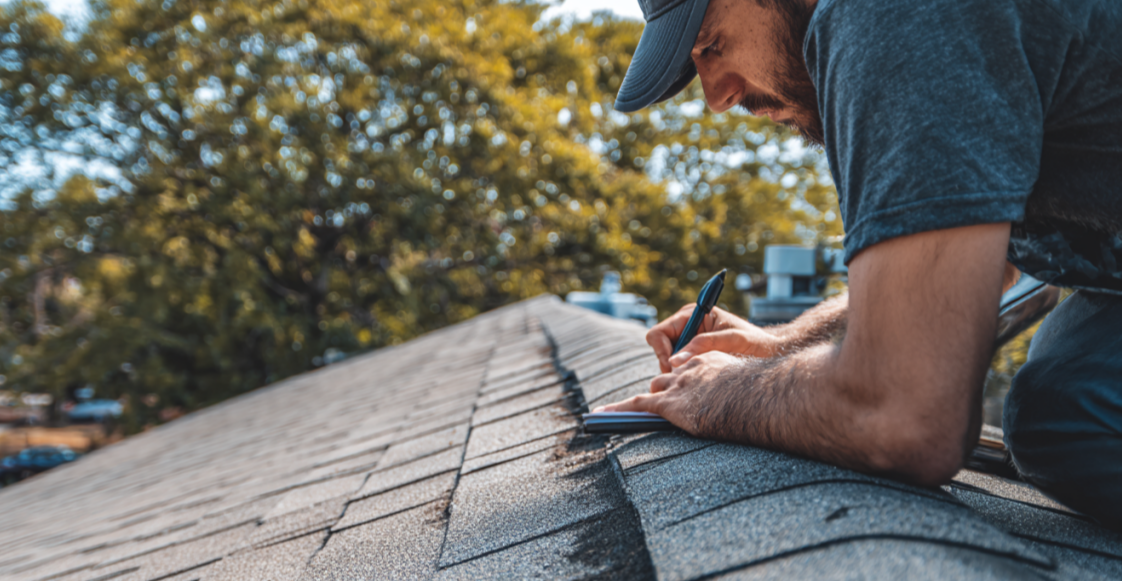
After a long Montana winter or a strong summer storm, many Shepherd homeowners want to know what roof problems matter most and when to bring in a professional. These answers focus on practical roof inspection concerns, storm damage signs, and smart next steps before small issues become expensive repairs.
How often should I inspect my roof in Montana?
You should inspect your roof in Montana at least once a year and after major hail or wind storms. An annual roof check helps homeowners catch missing shingles, granule loss, flashing problems, drainage issues, and early signs of storm damage before they turn into larger repairs.
Can hail damage show up months later?
Yes, hail damage can show up months later because bruised shingles may continue losing granules over time. A roof may not leak right away after a storm, but weakened shingles can become more vulnerable during future rain, snow, wind, or freeze-thaw cycles.
Should I replace my roof after a storm?
You should not automatically replace your roof after a storm unless the damage is widespread or the roofing system is already near the end of its service life. A professional roof estimate can help determine whether repair, monitoring, or replacement is the most practical and cost-conscious option.
What should I check on my roof in summer?
You should check your roof in summer for missing shingles, lifted edges, granules in gutters, damaged flashing, clogged drainage, attic moisture, and signs of hail or wind damage. These summer roof inspection items are often easier to identify once snow and ice are gone.
How do I inspect my roof after winter?
You can inspect your roof after winter by starting from the ground and looking for shingle damage, sagging areas, gutter problems, ice dam evidence, and interior moisture signs. Avoid walking on the roof if it is steep, aging, wet, or visibly damaged.
What are the most common summer roofing problems?
The most common summer roofing problems are hail damage, wind-lifted shingles, granule loss, clogged gutters, flashing issues, attic heat buildup, and leaks that started during winter but were not noticed until warmer weather. These issues are common across the Billings area because roofs face both winter stress and summer storms.
Does homeowners insurance cover hail damage?
Homeowners insurance may cover hail damage if the damage is sudden, storm-related, and included under your policy terms. Because coverage varies, documentation and a professional roof estimate can help you understand the extent of the damage before filing a claim.
Is summer a good time to schedule roof repairs?
Yes, summer is a good time to schedule roof repairs because weather conditions are generally better for evaluating damage and completing work before winter returns. Addressing small issues in summer can help reduce the risk of emergency leaks, ice-related damage, and more expensive repairs later.
Why a Summer Roof Inspection Helps Protect Shepherd Homes
A summer roof inspection gives homeowners a practical way to protect their roof, budget, and long-term home value. In Montana, where hail, wind, snow, and ice can all affect roofing performance, the best time to catch problems is before they become urgent.
Start with what you can see safely. Look for missing shingles, granules in gutters, drainage problems, attic moisture, and signs of storm damage. Pay attention to your roofing material, document visible concerns, and bring in a professional when something does not look right.
Since 1978, Kirkness Roofing has helped homeowners throughout the Billings region make informed roofing decisions with dependable workmanship, clear communication, strong manufacturer certifications, and local insurance claim experience. Our team understands how Montana weather affects roofs season after season.
Summer is one of the best times to catch roofing problems early. Schedule a free estimate with Kirkness Roofing before small issues become costly repairs.