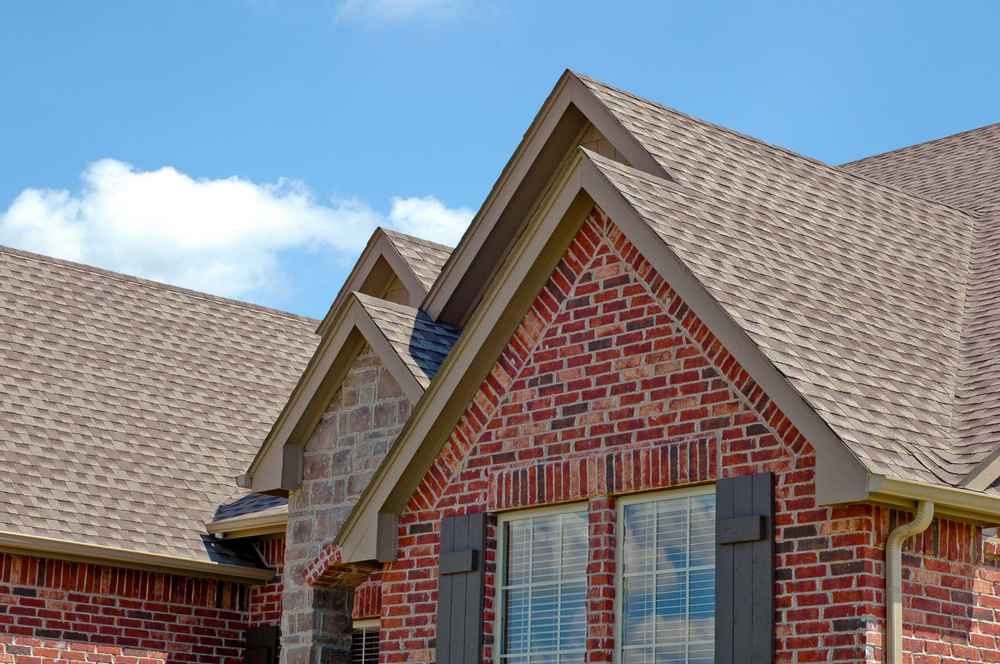
Many homes in Molt and the greater Billings area need better roof ventilation than they currently have, especially after years of exposure to Montana’s heat, wind, hail, snow, and rapid temperature swings. Poor attic ventilation can shorten roof lifespan, increase cooling costs, contribute to ice dams, and create moisture problems that often go unnoticed until repairs become expensive.
That is why roof ventilation matters more in Montana than many homeowners realize.
If you have ever stepped into your attic during a July afternoon, you already know how intense the heat can become. In homes throughout Molt and Yellowstone County, attic spaces can trap excessive heat during summer and moisture during winter. Over time, that combination affects the entire roofing system, from shingles and decking to insulation and indoor comfort.
For many homeowners, the warning signs develop slowly. Maybe the upstairs becomes harder to cool every year. Maybe ice dams start forming near the gutters each winter. In some homes, shingles begin curling earlier than expected after repeated hail and wind seasons. Others notice rising utility bills before they realize attic airflow may be part of the problem.
The challenge is that ventilation issues rarely announce themselves all at once. They build quietly over time.
In this guide, we will explain:
- Why many Molt homes develop ventilation issues
- How attic airflow affects roof lifespan
- Signs homeowners should watch for
- Why Montana weather increases ventilation demands
- Which ventilation systems work best locally
- When it makes sense to schedule a roof estimate
If you are unsure whether your attic ventilation is helping or hurting your roof, Kirkness Roofing can help evaluate your roofing system and recommend practical solutions built for Montana conditions.
Why Many Molt Homes Need Better Roof Ventilation
Roof ventilation regulates airflow through the attic. A balanced system pulls fresh outside air into the attic while allowing trapped heat and moisture to escape through upper roof vents.
That airflow plays a bigger role in roof performance than many homeowners realize.
Homes in Molt deal with long summer sun exposure, strong winds, hailstorms, heavy snow, and dramatic freeze-thaw cycles. Roofing systems in this part of Montana rarely get a break from the weather. Without proper ventilation, that stress becomes even harder on the roof itself.
During summer, attic temperatures can climb well beyond what most homeowners expect. That trapped heat radiates downward into the living space while also heating roofing materials from underneath. During winter, the issue shifts from heat to moisture. Warm indoor air naturally rises into the attic, and without adequate airflow, condensation begins forming when warm air meets cold roof surfaces.
That cycle is one reason many homeowners across Yellowstone County struggle with recurring ice dams. Snow melts unevenly across the roof and refreezes near colder roof edges. Over time, that process can damage shingles, gutters, flashing, and even interior ceilings.
Many older homes in Molt and nearby rural communities were not originally designed with modern ventilation standards in mind. Some have had multiple reroofing projects completed over the years without fully correcting attic airflow problems.
As a result, many homeowners are living with ventilation systems that no longer match the demands of Montana weather.
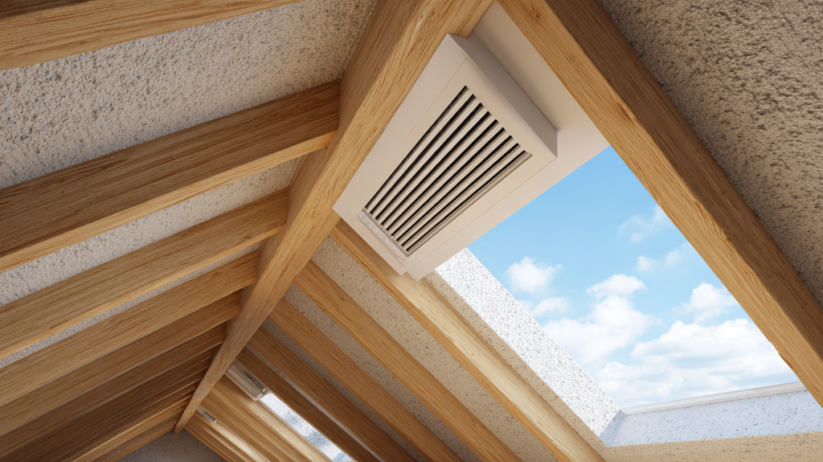
How Roof Ventilation Works and Why It Matters for Roof Lifespan
The purpose of roof ventilation is simple. It helps the attic breathe and maintain stable airflow year-round.
Most roofing systems rely on two forms of ventilation working together.
Intake Ventilation Pulls Cooler Air Into the Attic
Intake vents are typically located near the soffits or lower roof edges. Their job is to pull cooler outside air into the attic space so airflow can begin circulating properly.
Exhaust Ventilation Removes Heat and Moisture From the Roof System
Exhaust vents are installed higher on the roof, often near the ridge. These vents allow trapped heat and moisture to escape before they begin affecting roofing materials or insulation.
When intake and exhaust ventilation remain balanced, air moves continuously through the attic. That steady airflow helps stabilize temperatures and reduce excess moisture throughout the year.
When airflow becomes restricted, the attic starts trapping heat and humidity instead.
For homeowners in Molt, this matters because poor attic ventilation can accelerate the same roofing problems already caused by Montana storms. Hail and wind already wear down roofing materials over time. Excessive attic heat only shortens shingle lifespan faster.
This is especially true for asphalt shingles, which remain the most common roofing material throughout the Billings area.
A poorly ventilated attic can contribute to:
- Premature shingle aging
- Cracking and curling shingles
- Granule loss
- Roof decking deterioration
- Mold or mildew growth
- Reduced insulation performance
- Higher heating and cooling costs
Considering that roof replacements in this region commonly range from $8,000 to well over $20,000 depending on material and roof size, protecting the lifespan of a roofing system becomes an important financial decision for homeowners.
Signs Your Molt Home May Need Better Roof Ventilation
Attic ventilation problems are difficult to identify because most homeowners rarely see what is happening inside the attic itself. Instead, they notice symptoms developing throughout the home over time.
Excessive Attic Heat Can Raise Indoor Temperatures
One of the most common signs of poor roof ventilation in Molt homes is excessive attic heat during summer.
When airflow is restricted, heat becomes trapped beneath the roof deck for long periods of time. That heat affects roofing materials while also increasing indoor temperatures throughout the upper levels of the home.
Many homeowners notice that certain rooms become difficult to cool during the hottest months of the year, even when the HVAC system appears to be working properly.
Ice Dams Often Point to Uneven Attic Airflow
Ice dams are another strong indicator that attic airflow may not be balanced correctly.
In Montana winters, warm attic air can unevenly heat portions of the roof surface. Snow begins melting in some areas while remaining frozen in others. As water refreezes near colder roof edges, ice dams form.
Over time, those ice dams can damage shingles, gutters, flashing, insulation, and even interior walls if moisture finds its way inside the home.
Premature Shingle Wear May Be Linked to Poor Ventilation
Roofs exposed to excessive attic heat often show signs of aging earlier than expected.
Homeowners may notice:
- Curling shingles
- Cracking
- Uneven wear
- Bald spots from granule loss
- Dark streaking or discoloration
Many people assume these problems are caused strictly by age or storm damage. In reality, attic heat buildup often contributes to faster deterioration behind the scenes.
Uneven Indoor Comfort Can Signal Airflow Problems
Poor ventilation can also affect day-to-day comfort inside the home.
If upstairs rooms stay noticeably warmer during summer or colder during winter, attic airflow may be contributing to inconsistent temperatures throughout the house.
Why Montana Weather Makes Roof Ventilation More Important
Roof ventilation matters in every climate, but Montana weather creates especially demanding conditions for roofing systems.
Homes throughout Molt and Yellowstone County routinely experience:
- Strong hailstorms
- High winds
- Heavy snow accumulation
- Intense UV exposure
- Rapid temperature swings
- Freeze-thaw cycles
- Ice dam conditions
Those weather patterns place roofing materials under constant expansion and contraction stress throughout the year.
Poor ventilation increases that stress by trapping additional heat and moisture inside the attic.
After repeated hail seasons, homeowners may already have weakened shingles or compromised ventilation components. If ridge vents or exhaust systems become damaged during storms, attic airflow may decline even further.
That combination of storm exposure and poor ventilation often shortens roof lifespan faster than homeowners expect.
Can Poor Roof Ventilation Affect Roofing Warranties?
Yes, it can.
Many roofing manufacturers recommend balanced attic ventilation as part of a properly functioning roofing system. Excessive heat and trapped moisture may contribute to premature roofing failure over time.
That is one reason ventilation evaluations are important during roof replacement planning.
At Kirkness Roofing, ventilation is reviewed alongside the overall roofing system because proper airflow helps support long-term roof performance. Roofing systems backed by manufacturers such as GAF, Malarkey, and Owens Corning perform best when attic ventilation is functioning correctly.
For homeowners investing in a new roof, proper ventilation helps protect both roofing materials and the long-term value of the project itself.
Common Roof Ventilation Problems Found in Molt Homes
Many ventilation issues develop slowly over years of weather exposure, aging materials, or outdated roof designs.
Some of the most common ventilation problems seen in homes throughout Molt include:
- Blocked soffit vents caused by insulation
- Older homes without balanced intake and exhaust airflow
- Storm-damaged ridge vents
- Improper ventilation added during past reroofing projects
- Undersized ventilation systems for attic size
- Moisture buildup after repeated freeze-thaw cycles
These issues often go unnoticed until homeowners begin experiencing leaks, rising energy costs, or premature roofing wear.
That is why professional roof estimates often include ventilation evaluations alongside standard roofing assessments.
What Type of Roof Ventilation Works Best in Molt?
The best roof ventilation system depends on the home itself.
Roof pitch, attic size, insulation levels, roofing material, and overall airflow balance all affect ventilation needs. What works well for one home may not work properly for another.
Ridge Vent Systems Provide Consistent Airflow Across the Roofline
Ridge vents are commonly used on modern asphalt shingle roofing systems because they allow continuous airflow across the roof peak.
When paired with proper intake ventilation, they provide balanced airflow across the attic space.
Static Roof Vents Can Help Older Homes Improve Airflow
Static vents are more common on older homes and certain roof styles. While they can improve airflow, they may not distribute ventilation as evenly as ridge vent systems.
Powered Ventilation Systems May Help Severe Heat Buildup
Some homes with severe attic heat buildup may benefit from powered ventilation systems. However, these systems must be carefully designed to avoid creating airflow imbalances.
For many Molt homeowners, the right solution is not simply adding more vents. The goal is creating balanced attic airflow that works with the entire roofing system.
Can Better Roof Ventilation Lower Energy Costs?
In many homes, yes.
Reducing attic heat buildup may help cooling systems operate more efficiently during summer. Better ventilation can also reduce long-term roofing wear caused by excessive attic temperatures and trapped moisture.
For homeowners trying to protect their biggest investment, ventilation improvements are often far less expensive than dealing with premature roof replacement or structural moisture damage later.
Addressing ventilation issues early can help homeowners avoid much larger repair costs down the road.
What Happens During a Roof Ventilation Estimate?
Many homeowners are unsure what contractors evaluate during a ventilation review.
A professional roof estimate may include:
- Reviewing intake and exhaust airflow
- Checking for storm-damaged vents
- Identifying attic moisture buildup
- Evaluating insulation blockage near soffits
- Looking for signs of premature shingle wear
- Assessing attic heat buildup
- Reviewing roof decking condition
The goal is to determine whether ventilation issues may be affecting overall roof performance before larger problems develop.

Common Roof Ventilation Questions From Molt Homeowners
Many homeowners in Molt start asking questions about roof ventilation after noticing higher cooling bills, recurring ice dams, or signs of premature roof wear. Below are some of the most common concerns homeowners have about attic airflow and how it affects roofing performance in Montana’s climate.
How do I know if my attic has enough ventilation?
Your attic likely has enough ventilation if airflow remains balanced throughout the year and you are not experiencing excessive heat, moisture buildup, or ice dam problems. Homes with poor attic ventilation often develop warning signs like hot upstairs rooms, condensation in the attic, rising utility costs, or shingles aging earlier than expected.
Can poor roof ventilation cause roof leaks?
Yes, poor roof ventilation can contribute to roof leaks over time by trapping moisture inside the attic. When warm, humid air cannot properly escape, condensation may form on roof decking and surrounding materials, eventually leading to water damage, mold growth, or deterioration beneath the roofing system.
Does roof ventilation help prevent ice dams?
Yes, roof ventilation helps reduce the conditions that commonly lead to ice dams in Montana homes. Balanced attic airflow helps maintain more consistent roof temperatures, which reduces uneven snow melt and lowers the chances of water refreezing near roof edges.
Can attic ventilation lower summer cooling costs?
Yes, proper attic ventilation can help lower summer cooling costs by reducing heat buildup inside the attic. When trapped heat is allowed to escape more efficiently, cooling systems often do not have to work as hard to maintain comfortable indoor temperatures.
What causes attic heat buildup in Montana homes?
Attic heat buildup is usually caused by poor airflow, inadequate intake ventilation, insufficient exhaust ventilation, or blocked soffit vents. In Molt and surrounding areas, long summer sun exposure and high outdoor temperatures can make those ventilation problems even worse.
Can hail damage affect roof ventilation systems?
Yes, hail and wind damage can affect roof ventilation systems by damaging ridge vents, flashing, shingles, or surrounding roofing materials. After major storms, ventilation components may not function properly even if the damage is not immediately visible from the ground.
Should roof ventilation be checked during roof replacement?
Yes, roof ventilation should absolutely be checked during roof replacement because it is one of the best opportunities to improve attic airflow. Replacing roofing materials without correcting ventilation issues may shorten the lifespan of the new roof over time.
How often should attic ventilation be evaluated?
Attic ventilation should be evaluated whenever homeowners notice warning signs like rising energy bills, recurring ice dams, excessive attic heat, or premature roofing wear. It is also smart to have ventilation reviewed after major hail or wind storms common throughout the Billings area.
Proper Roof Ventilation Helps Protect Molt Homes Long-Term
So, do Molt, MT homes need better roof ventilation? In many cases, they do.
Montana weather places constant stress on roofing systems, and poor attic airflow often accelerates problems homeowners are already dealing with, including heat buildup, ice dams, rising energy costs, and premature roofing wear.
Proper roof ventilation helps protect roof lifespan, improve indoor comfort, and reduce moisture-related risks over time.
Since 1978, Kirkness Roofing has helped homeowners throughout the Billings region make informed roofing decisions built around long-term value, dependable workmanship, and honest guidance. With decades of experience handling Montana roofing conditions, our team understands how proper ventilation fits into a healthy, long-lasting roofing system.
Not sure whether your attic ventilation is helping or hurting your roof? Request a free estimate from Kirkness Roofing today.